
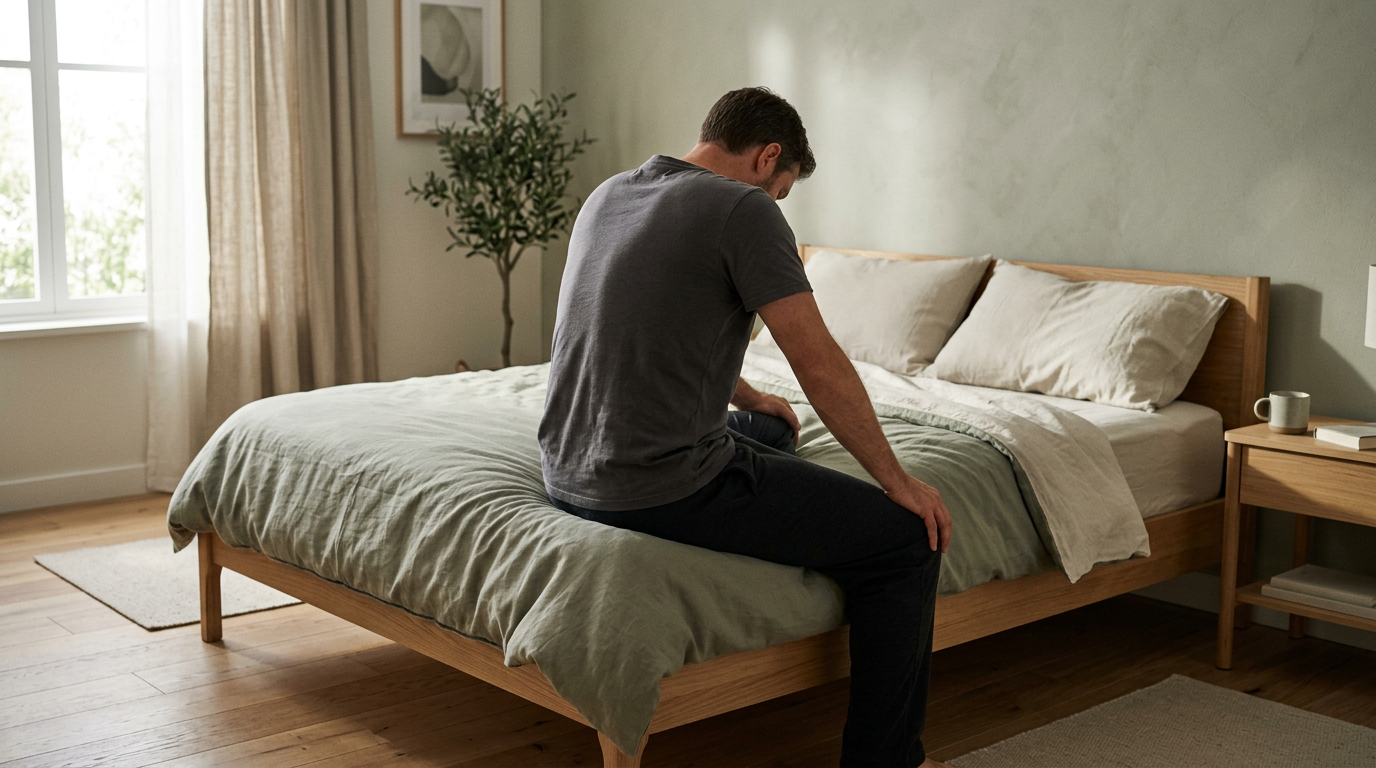
Stress is a common aspect of modern life, but its effects reach far beyond mental health. For many men, stress significantly impacts ejaculation control and overall sexual performance. The intricate relationship between the mind and body means that the stress response can alter physiological functions, leading to premature or delayed ejaculation. Understanding how stress affects these processes is crucial for men looking to improve their sexual well-being. The body's stress response releases hormones such as cortisol and adrenaline, which can disrupt the hormonal balance necessary for sexual function. Studies indicate that stress exacerbates ejaculation control issues by reducing testosterone levels and increasing anxiety 1. This article delves into the mechanisms of stress and its effects on ejaculation, offering scientific insights and practical strategies for managing anxiety to enhance sexual health.
Understanding the Stress Response
The stress response is an intricate system involving various hormones and neural pathways. When confronted with stress, our body enters a 'fight or flight' mode, secreting hormones like cortisol and adrenaline. These hormones prepare the body to respond to potential threats but can impede non-essential functions, including sexual activity. Cortisol, often dubbed the stress hormone, suppresses testosterone, a key hormone in regulating sexual function . Physiologically, this leads to disruptions in erection quality and ejaculation control. For instance, elevated cortisol levels have been linked to increased incidents of premature ejaculation, as they interfere with the nervous system's regulation of ejaculation. The chronic activation of the stress response can lead to long-term implications for sexual health, emphasizing the importance of effective stress management.
Anxiety's Role in Sexual Performance
Anxiety closely ties with stress, further complicating sexual performance. Performance anxiety can create a feedback loop, where the fear of sexual inadequacy perpetuates stress, exacerbating ejaculation control problems. Men experiencing anxiety often report premature ejaculation or erectile dysfunction, stemming from the psychological burden of meeting perceived expectations 2. A study investigating anxiety and sexual performance found that men with higher anxiety levels had difficulties maintaining erections and controlling ejaculation 2. This demonstrates how psychological stressors affect physical responses during sexual activity, necessitating mental health interventions as part of sexual wellness plans. Integrating cognitive behavioral therapy (CBT) or mindfulness practices can help reduce anxiety levels, improving both mental health and sexual performance.
The Mental Impact on Ejaculation
Mental health exerts a significant influence on ejaculation control. Stress and anxiety modify brain chemistry, influencing how neurotransmitters like serotonin and dopamine function. These chemicals are crucial for mood regulation and play roles in ejaculation timing. Serotonin, for instance, is involved in delaying ejaculation, while dopamine can promote excitation . Imbalances caused by stress can accelerate the ejaculation process or cause difficulties in achieving orgasm. Understanding these neurochemical pathways provides insights into why some men experience changes in ejaculation control under stress. In addition, addressing mental health through therapies and lifestyle modifications can improve neurotransmitter balance, offering a pathway to better manage ejaculation control.
Practical Strategies for Managing Stress
Developing practical strategies to manage stress can have a profound impact on sexual health. Regular physical activity is one of the most effective ways to reduce stress levels, enhancing both mental and physical well-being . Exercise boosts endorphins, known as 'feel-good' hormones, which can mitigate the impact of stress. Additionally, techniques such as mindfulness meditation and diaphragmatic breathing have been shown to lower the stress response, reducing anxiety levels and improving sexual performance. Tailoring stress management strategies can offer men individualized approaches to control ejaculation better, considering personal preferences and lifestyles. Regular engagement in these activities over 2-4 weeks often yields observable improvements in sexual function and stress resilience.
Building Resilience through Lifestyle Changes
Building resilience to stress involves making conscious lifestyle adjustments. Prioritizing quality sleep, maintaining a balanced diet, and fostering supportive relationships contribute to a more robust stress management framework. Sleep loss can elevate stress levels and exacerbate hormonal imbalances affecting ejaculation control. A nutrient-rich diet supports hormone production and neurotransmitter function, essential for sexual health. Moreover, strong social connections provide emotional support, helping to buffer against stress . By embedding these changes into daily life, men can enhance their resilience to stress, leading to improved control over ejaculation and overall sexual well-being.
Conclusion
The impact of stress on ejaculation control is multifaceted, encompassing hormonal, psychological, and lifestyle elements. By understanding the physiological and mental pathways through which stress affects sexual performance, men can take proactive steps to mitigate its effects. Implementing stress management strategies such as regular exercise, mindfulness, and fostering healthy relationships can significantly improve sexual health. While changes won't occur overnight, consistent efforts over weeks or months can lead to noticeable improvements. Addressing stress not only enhances sexual performance but also contributes to overall well-being, offering a holistic benefit to men's health.
Frequently Asked Questions
How quickly can stress management improve ejaculation control?
The timeline for improvements in ejaculation control through stress management varies among individuals. Generally, engaging in regular stress-reducing activities such as exercise, mindfulness, or therapy over 2-4 weeks can lead to noticeable changes in sexual performance. Consistency and personalization of these strategies often yield the best results.
Can professional therapy aid in managing stress-related sexual issues?
Yes, professional therapy, especially cognitive behavioral therapy (CBT), is effective in addressing stress-related sexual problems. Therapy can help men understand the psychological factors affecting their sexual health and provide tools to manage anxiety and stress, which can improve ejaculation control and overall performance.
What role does diet play in managing stress and its impact on ejaculation?
Diet plays a crucial role in managing stress levels and hormonal balance. A nutrient-dense diet can support neurotransmitter function and hormone production essential for sexual health. Foods rich in omega-3 fatty acids, antioxidants, and vitamins promote better mood regulation and help buffer the body's stress response, potentially improving ejaculation control.
Is exercise a reliable method for reducing stress-related sexual issues?
Exercise is a well-documented method for reducing stress and its associated impacts on sexual health. Physical activity increases endorphin levels and reduces cortisol, improving mood and reducing anxiety. Regular exercise can lead to improvements in sexual performance, including better ejaculation control, when performed consistently over time.
Are there specific exercises to improve ejaculation control impacted by stress?
Yes, specific exercises, such as Kegel exercises, can strengthen the pelvic floor muscles, providing more control over ejaculation. By regularly practicing these exercises, men can improve their ability to manage stress-influenced sexual performance issues. However, they should be combined with overall stress management strategies for optimal benefits.
References
- Karabatsos, G., Koutroulis, A., Stamelos, I., Giamouzis, A., Giannakopoulos, S., & Hatzichristou, D. (2020). Psychosocial stress, somatoform dissociative symptoms and free testosterone in premature ejaculation. Andrologia, 52(8), e13828. https://doi.org/10.1111/and.13828 [link]
- Pérez-Valdez, J. (2026). (PNM-01) Why does the body say “No”? Performance anxiety and male sexual dysfunctions from a Jungian perspective. Journal of Sexual Medicine. https://doi.org/10.1093/jsxmed/qdag002.081 [link]
Medical disclaimer: This article is for informational purposes only and does not constitute medical advice. Please consult a healthcare provider for advice suited to your individual needs.
Reviewed by Ezgi Bayram, Pelvic Floor Therapist
Build Your Personal Kegel Plan
Not all pelvic floor training is the same. Take the 2-minute quiz to get a plan tailored to your body and goals.
Take the Free Quiz →