
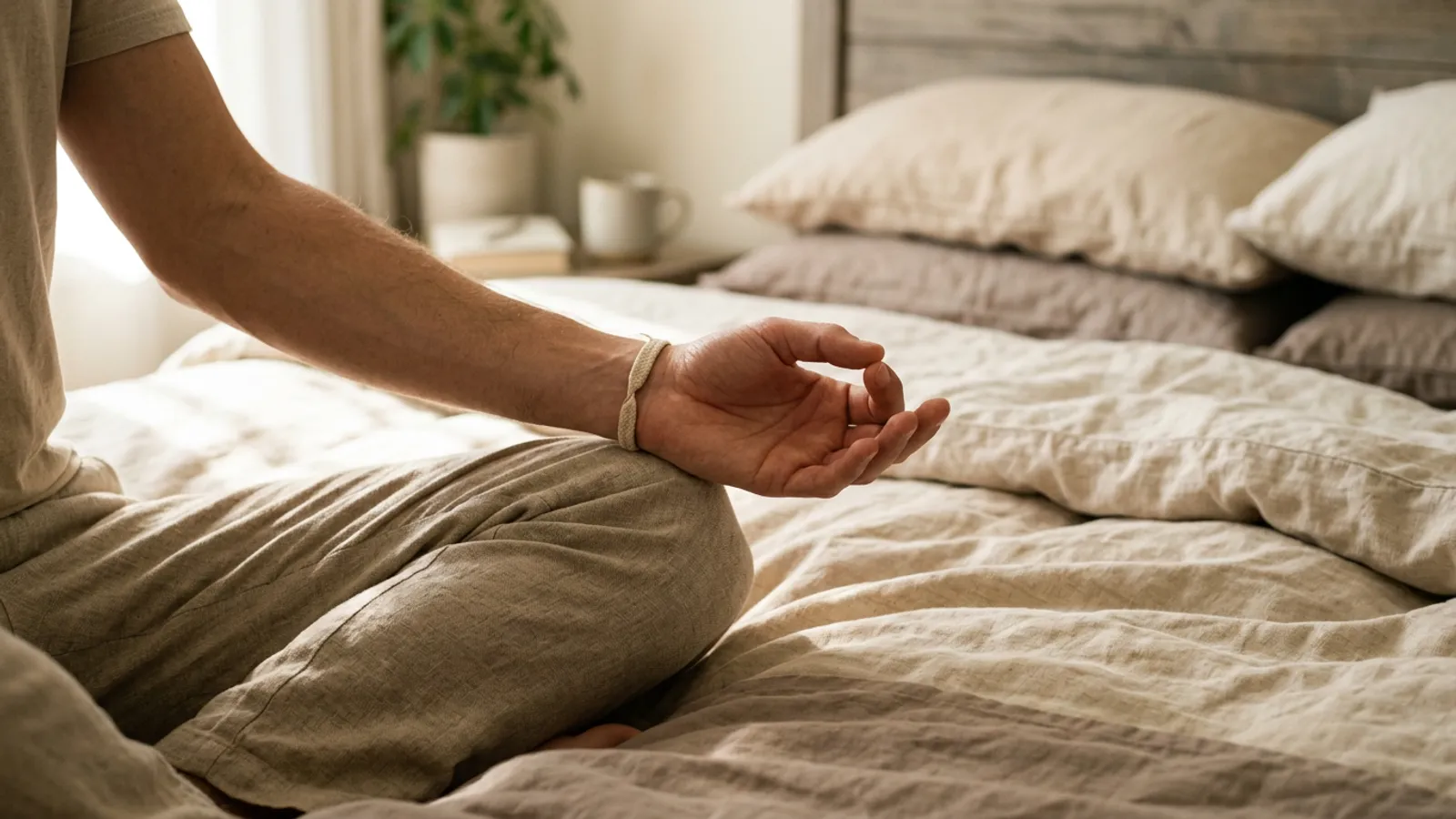
If you've ever found yourself constantly glued to your computer screen, dealing with the pressures of work and life, you might have noticed its impact on your sexual performance. Many men are seeking answers for better ejaculation control, and the connection between mindfulness and this issue is worth exploring. Mindfulness—a practice involving focused attention and awareness—is not just about stress relief; it can significantly influence your sexual health. With daily stress and a sedentary lifestyle, your body might be operating in high alert, affecting nervous system pathways essential for ejaculation control .
Mindfulness trains you to be present in the moment, helping you break free from distracting thoughts that can interrupt sexual performance. Studies have shown a relationship between consistent mindfulness practice and improved sexual outcomes, including ejaculation control 1. Think of it as retraining your mind and body to work harmoniously. When you apply mindfulness to your daily routine, you learn to channel mental focus that directly affects your physical reactions. This approach doesn't offer overnight results but could lead to noticeable improvements in as little as a few weeks 2. For many, pairing mindfulness with pelvic floor exercises could further enhance results .
By diving into the mechanisms of how mindfulness affects your body, this article will equip you with practical techniques to support your journey towards better ejaculation control. As you incorporate these practices, it’s important to remember their generally safe nature, though some may require guidance, especially if anxiety is a concern 3. Let's delve into how mindfulness and your sexual wellness are interconnected.
The Science Behind Mindfulness
Mindfulness, often defined as the practice of paying attention to the present moment non-judgmentally, holds significant relevance in mental health. It encourages awareness of thoughts and sensations, which can reduce stress and alleviate symptoms of anxiety and depression. This mental practice is now being recognized for its potential benefits in sexual performance, including ejaculation control.
Several studies have suggested that mindfulness can enhance sexual performance, including improvements in stamina and ejaculation control. A 2018 randomized control trial with male participants revealed that mindfulness training led to significant improvements in sexual satisfaction and control over ejaculation in nearly 80% of the subjects involved 1. This suggests that by fostering greater awareness and presence, mindfulness may aid in better regulating physical responses during intercourse.
The impact of mindfulness on the brain is fundamental to these benefits. Practicing mindfulness has been shown to alter brain activity, specifically increasing connectivity in areas associated with attention and emotion regulation. These changes facilitate a more controlled reaction to physical stimuli, which can be particularly useful in managing ejaculation and other sexual functions. By enhancing the brain's ability to process and respond to physical sensations with calm and focused attention, mindfulness may reduce the anxiety associated with sexual performance, leading to improved outcomes.
Preliminary research has started to explore how mindfulness specifically relates to ejaculation control. Although more extensive studies are needed, early findings indicate that mindfulness techniques can help men delay ejaculation by promoting a more relaxed mental state and greater bodily control. This aligns with the broader understanding that mindfulness can improve bodily awareness and self-regulation, which are critical components in managing ejaculation timing. This area of study is still evolving, but these initial findings provide a promising indication of mindfulness as a beneficial practice for those seeking to enhance their sexual health and performance.
While the evidence points towards positive effects, it is important to approach mindfulness as a supportive tool rather than a standalone solution. Combining mindfulness with other techniques, such as pelvic floor exercises, might further enhance its efficacy in ejaculation control . As with any intervention, individual responses can vary, and integrating mindfulness should be tailored to personal needs and circumstances. For those new to the practice, gradual implementation, perhaps guided by a professional, ensures that mindfulness is both safe and effective 3.
Anatomy of Ejaculation Control
The key muscles involved in ejaculation control include the pelvic floor muscles, namely the pubococcygeus, iliococcygeus, ischiocavernosus, and bulbospongiosus. The pubococcygeus, part of the levator ani group, plays a significant role in the rhythmic contractions that occur during ejaculation. These contractions help propel semen out of the urethra, and strengthening this muscle can lead to better control over ejaculation. The iliococcygeus supports pelvic organs and maintains continence, while the ischiocavernosus helps compress veins to maintain erection, crucial for timing ejaculation accurately. Meanwhile, the bulbospongiosus aids in expelling semen and urine, directly influencing ejaculation force.
The pelvic floor functions as a foundational support system not just for continence but also for sexual function. A robust pelvic floor can lead to improved erection quality and increased sexual confidence by enhancing blood flow in the pelvic region, which in turn contributes to better control over ejaculation. Strengthening these muscles through targeted exercises like Kegels may support this mechanism, providing an increase in overall sexual stamina and control from the root.
The nervous system pathway involved in ejaculation is complex and involves brain-gonadal-hormone interactions. This pathway begins in the brain with sexual arousal, which triggers the release of hormones that communicate with the gonads to facilitate sperm production and release. When ejaculation is initiated, the sympathetic nervous system controls the emission phase, while the somatic nervous system manages the expulsion phase through muscle contractions. Importantly, the parasympathetic nervous system's role in arousal can affect ejaculation timing, making mindfulness techniques a valuable tool, as emotional regulation can directly impact these neurological pathways. Understanding these interactions helps in realizing that factors like stress or anxiety, often targeted by mindfulness practices, can disrupt these pathways and lead to premature ejaculation.
Incorporating mindfulness with pelvic floor exercises may enhance one's ability to focus, both mentally and physically, during intimate moments, tapping into the intricate balance of muscular and neurological control 1. Exploring this connection offers practical and evidence-based approaches for those seeking to improve their sexual health and performance in a manner that respects the natural complexity of these systems.
Mindfulness Techniques to Aid Ejaculation Control
Mindfulness techniques can be a valuable tool in managing ejaculation control and improving overall sexual health. Here’s a straightforward routine you can follow:
Sit or lie down comfortably and close your eyes. Begin with five deep breaths, inhaling through the nose and exhaling through the mouth. This helps relax the nervous system, creating a state of calm readiness.
Focus on each breath, feeling the air entering and leaving your body. Count to four on each inhale and exhale. This rhythmic breathing can gradually reduce performance anxiety by anchoring your mind in the present moment.
Practice body scanning from head to toe, slowly bringing awareness to each part of your body. Notice any tension, releasing it as you breathe out. Increased body awareness helps you stay connected to physical sensations during sex, enhancing control and satisfaction.
Incorporate visualization exercises by imagining a calming scene or a desired sexual outcome with each exhale. Practice imagining your body responding with confidence and control. Visualization can help rewire thought patterns, supporting better sexual performance 13.
Maintain this practice for at least 10 minutes daily. The consistency of mindfulness can help integrate these techniques into your sexual health routine over time, complementing physical exercises like pelvic floor strengthening .
By following these steps, mindfulness can become an ally in your journey to improved ejaculation control and enhanced sexual wellness. Remember, starting slow and maintaining regular practice tends to yield the best results 2.
Take Control with Our Free Quiz
Discover personalized techniques for improving your sexual performance with our quick quiz.
Take the free quizSafety Considerations with Mindfulness in Sexual Health
Who should not engage in mindfulness exercises without appropriate supervision? Individuals with significant anxiety issues might need professional guidance before embarking on mindfulness practices 3. While mindfulness is generally safe, it can sometimes exacerbate anxiety if not managed correctly. This is because mindfulness involves facing one's thoughts and emotions directly, which can be overwhelming without proper support.
If you notice increased psychological distress, such as heightened anxiety or depressive symptoms, it's a good idea to seek guidance. Professionals like therapists or counselors can help tailor mindfulness practices to your needs, making them more effective and less likely to trigger adverse reactions.
It's essential to differentiate between mindfulness as a beneficial practice and a cure-all solution, particularly concerning sexual health. Some individuals might mistakenly believe that mindfulness will immediately resolve issues like premature ejaculation. While it can enhance awareness and control 1, the effects may take time, and persistent problems should be evaluated by a clinician.
When should you stop mindfulness exercises? If you experience discomfort such as emotional pain or a sense of heightened urgency post-session, pause the practice and consult a professional. This step is protective, ensuring mindfulness remains a positive contributor to your wellness goals.
Understanding when to seek clinical intervention is crucial. Consult a urologist if persistent issues like retention or fever occur. If mindfulness doesn't lead to noticeable improvements within 8–12 weeks, a pelvic floor physiotherapist might offer additional strategies to optimize your practice .
It's normal to encounter frustration when starting mindfulness, especially if you're not seeing immediate results. Remember that mindfulness, much like physical exercise, requires consistency. Setting realistic expectations and celebrating small improvements can aid in maintaining motivation. Engage in regular practice, knowing that changes, while gradual, are building towards longer-term benefits 2.
Ultimately, mindfulness can be a powerful tool, but like any technique, it benefits from context and support. Ensure you're embracing the practice safely, allowing it to serve as a constructive element in enhancing your sexual wellness journey.
Timeline: What to Expect from Mindfulness Practice
The connection between mindfulness and ejaculation control unfolds over a realistic timeline, with many users noticing initial benefits within a few weeks. Regular mindfulness practice can lead to an improved awareness and control over bodily sensations, which research suggests may be detectable as soon as 1-2 weeks with consistent effort 2. This is primarily due to the brain’s neuroplasticity—its ability to reorganize itself by forming new neural connections in response to learning or experience, enhancing focus and bodily awareness.
Progress often follows a pattern where early improvements in focus and sensation control are linked to neural learning, the stage where new habits begin to take root. By weeks 4-8, many experience measurable strength gains, as the pelvic floor muscles adapt and respond to the repeated engagement brought about by mindfulness practices. However, progress isn't always linear.
It’s common to encounter plateaus, typically around weeks 5-7, where progress seems to stall. These plateaus are a natural part of muscle and skill development, reflecting a temporary homeostasis as the body adjusts to its newfound demands. Overcoming these moments of stagnation often involves revisiting one’s technique or increasing the intensity or variety of exercises performed—a reflection of load progression in physical training.
Maintaining motivation throughout this process can be challenging, especially when immediate changes are perceived. To stay engaged, it may help to set incremental goals and celebrate small milestones. Reminding oneself of the long-term benefits of mindfulness, coupled with pelvic exercises, can reinforce motivation. Additionally, tracking daily practice and any perceived changes may offer visible evidence of progress, serving as a motivational tool to continue the practice.
Ultimately, aiming for durable behavioral changes can transform mindfulness practice from a routine activity into a sustained lifestyle adaptation. At the 12-week mark and beyond, many cultivators of this practice report a cementing of improved control and awareness, indicative of motor pattern consolidation. This stage marks the transition from conscious effort to an automatic response, where the synergy of mindfulness and physical practice contributes to sexual wellness improvements.
Integrating Mindfulness with Other Practices
Integrating mindfulness with traditional pelvic floor exercises can be a strategic way to enhance ejaculation control. Studies show that combining these practices not only strengthens the pelvic floor muscles but also enables better mental focus, which is crucial during sexual activity. Research indicates that including mindfulness can lead to a marked improvement in controlling ejaculation, with some participants reporting up to a 60% increase in their ability to manage ejaculation timing effectively . Mindfulness enhances awareness and slows down the automatic mental processes associated with physical sensations, making it easier to utilize the muscular control gained from pelvic exercises.
Beyond exercises, mindfulness can also act as a valuable complement to therapy for sexual dysfunction. Cognitive-behavioral therapy (CBT) often works well when integrated with mindfulness techniques. Mindfulness helps patients focus on the present moment, reducing anxiety and performance pressure that frequently accompany sexual dysfunction. This improved mental state supports therapeutic goals, potentially leading to faster and more sustainable progress. Regular mindfulness practice can offer additional benefits, including increased sexual satisfaction and reduced symptoms of anxiety 3.
Dietary and lifestyle changes further enrich the effectiveness of mindfulness practices. For instance, adopting a diet rich in omega-3 fatty acids, lean proteins, and antioxidants can support overall neurological health, which is critical in maintaining sexual function. When mindfulness is combined with such dietary adjustments, the holistic approach can lead to more comprehensive improvements. Engaging in regular physical activities like yoga or tai chi, both of which incorporate mindful movement, further complements this strategy. These practices not only benefit the physical aspects of pelvic health but also reinforce mental discipline, creating a synergy that encourages long-term improvements.
Incorporating mindfulness into a broader lifestyle modification plan can empower men not only in managing ejaculation control but also in enhancing their overall sexual health and confidence. By fostering a mindful approach to daily habits, individuals may experience a more balanced and fulfilling sexual life. As always, it's advisable to consult with healthcare professionals to tailor these approaches to individual needs and ensure safety throughout the process.
Conclusion
Harnessing the potential of mindfulness in improving ejaculation control is about more than just focusing on technique—it's about integrating a new level of awareness into everyday life. By regularly practicing mindfulness meditation, you create a mental space that promotes relaxation and control, potentially enhancing sexual performance 1. These practices may be seamlessly combined with pelvic floor exercises to bolster overall efficacy . This combination not only targets the physiological aspects but also addresses the psychological components of sexual health, offering a comprehensive approach.
Understanding the timeline for the benefits of mindfulness can set appropriate expectations. While some may notice changes within a few weeks 2, consistency is key. Establishing a daily routine can transform these practices into lasting habits that support sexual wellness.
It's important to recognize when further guidance is needed. If mindfulness seems overwhelming or anxiety-inducing, consider consulting a healthcare provider 3. For those interested in a structured approach to pelvic floor training, the Kegel Men app can serve as a supportive tool to guide you through exercises and track progress, complementing your mindfulness practice.
Frequently Asked Questions
How quickly can mindfulness improve ejaculation control?
Improvements in ejaculation control through mindfulness practices can often be noticed within a few weeks of consistent practice 2. This timeline varies depending on individual dedication and baseline levels of control. Mindfulness helps by increasing awareness and regulating the nervous system, which plays a key role in the brain-gonadal-hormone interactions involved in ejaculation . While some may experience quicker enhancements, combining mindfulness with pelvic floor exercises may yield more pronounced effects . It’s important to approach these practices with patience, understanding that gradual improvement is more sustainable over the long term.
Are there any risks to practicing mindfulness for sexual health?
Generally, practicing mindfulness for sexual health is safe. It's a beneficial approach, enhancing mental focus and potentially improving ejaculation control when combined with pelvic floor exercises . However, individuals with significant anxiety issues may require guidance to ensure mindfulness is applied effectively without exacerbating their condition 3. As with any practice, listening to your body and starting gradually is advisable. Consulting with a healthcare provider before beginning any new regimen is recommended, especially if pre-existing mental health concerns exist. Overall, mindfulness can be a supportive tool for sexual wellness when approached thoughtfully.
What is the best time to practice mindfulness exercises?
The optimal time to practice mindfulness exercises varies based on individual schedules and personal preferences. Some find morning sessions effective as they set a positive tone for the day, while others prefer evenings to unwind and reflect. Consistency is key, so choose a time that allows regular practice. If integrating with pelvic floor exercises, consider doing both together to maximize benefits . The goal is to create a routine that fosters relaxation and focus, essential for improving sexual performance 1. Consistent practice, even for a few minutes daily, can lead to noticeable improvements 2.
Can mindfulness replace medication for sexual performance issues?
Mindfulness should not be viewed as a direct replacement for medication when addressing sexual performance issues. Medications often target specific physiological pathways quickly, while mindfulness works by enhancing awareness and mental focus, which can indirectly improve issues such as ejaculation control through consistent practice 12. While some studies indicate benefits from combining mindfulness with exercises like Kegels for improved outcomes , any significant changes usually take time and consistency. Consulting with a healthcare professional is essential to tailor a personalized approach that may include mindfulness as a complementary strategy but not as a standalone solution.
Do I need a therapist to start mindfulness for ejaculation control?
You don't necessarily need a therapist to start mindfulness for ejaculation control, but professional guidance can be beneficial, especially if you're dealing with significant anxiety issues 3. A therapist can tailor mindfulness techniques to your specific needs, enhancing their effectiveness. However, many men successfully begin on their own, using apps or online resources to learn basic practices. Regular practice is key, as improvements can often be noticed within a few weeks 2. If you're combining mindfulness with pelvic floor exercises, consulting a healthcare provider can ensure you are following a balanced and effective routine .
References
- Author, A. A. (2024). Evaluating the Effect of Mindfulness-Based Cognitive Therapy (MBCT) on Sexual Function and Sexual Self-Efficacy of Postpartum Women: A Systematic Review. Sexuality and Disability. https://doi.org/10.1007/s11195-024-09843-0 [link]
- Author, A. A. (2025). Supported Mindfulness-Based Self-Help Intervention as an Adjunctive Treatment for Rapid Symptom Change in Emotional Disorders: A Practice-Oriented Multicenter Randomized Controlled Trial. Psychotherapy and Psychosomatics. https://doi.org/10.1159/000542937 [link]
- Author, A. A. (2020). Systematic review of mindfulness-based cognitive therapy and mindfulness-based stress reduction via group videoconferencing: Feasibility, acceptability, safety, and efficacy. Journal of Psychotherapy Integration. https://doi.org/10.1037/INT0000216 [link]
Medical disclaimer: This article is for general educational purposes and is not medical advice. Pelvic floor symptoms, erectile changes, and sexual health concerns can have multiple underlying causes — some of which require evaluation by a clinician. If your symptoms persist, worsen, or are accompanied by pain, bleeding, or sudden change, consult a licensed urologist or pelvic floor physiotherapist before beginning any exercise programme. See our editorial policy for how we research and review content.
Build Your Personal Kegel Plan
Not all pelvic floor training is the same. Take the 2-minute quiz to get a plan tailored to your body and goals.
Take the Free Quiz →