
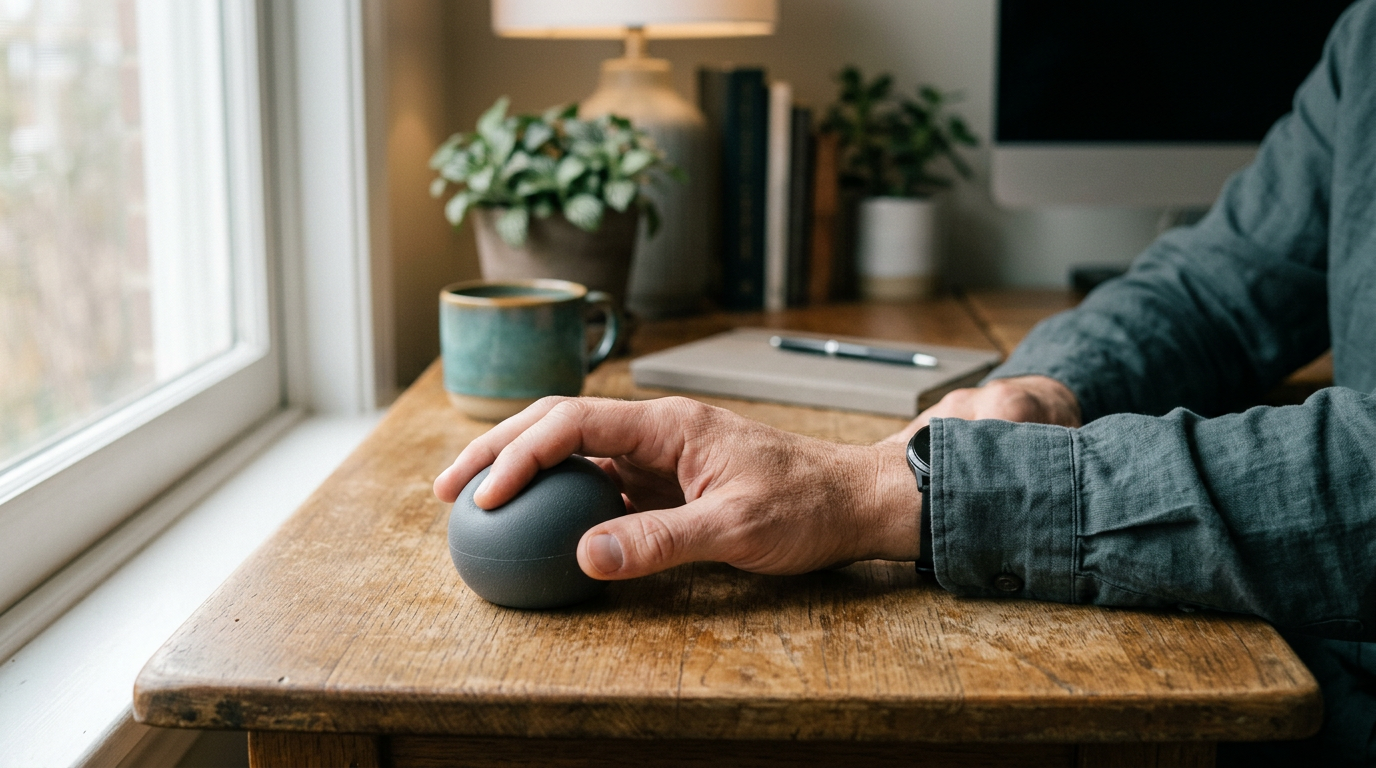
If you've been struggling with ejaculation control, it’s possible that stress is playing a significant role in this challenge. Stress is more than an emotional burden; it can have tangible effects on your body and sexual performance. When you're stressed, your autonomic nervous system—which oversees various involuntary actions including ejaculation—can become disrupted, leading to premature or uncontrolled ejaculation 1. This physiological response isn't just a short-term glitch; long-term exposure to stress can compound the problem by increasing cortisol levels. Elevated cortisol can, in turn, adversely impact testosterone, which is crucial for maintaining sexual health 2.
Understanding this connection is vital because it empowers you to take the first steps towards managing these interconnected issues. While it may seem daunting, there are effective solutions that address both stress and its impact on sexual performance. By incorporating mindfulness techniques, you can potentially enhance your sexual performance by focusing your mind and alleviating stress 3. Furthermore, activities like regular exercise not only improve overall well-being but also help in stress reduction, offering you more command over your body 4.
Moreover, strengthening your pelvic floor muscles through Kegel exercises can offer another layer of support, aiding in better ejaculation control 5. These practical strategies underline the link between managing stress and improving sexual health and are within reach for most men. By acknowledging the role stress plays in ejaculation control, you're already on the path to regaining confidence and enhancing your sexual wellness.
The Physiological Impact of Stress on Ejaculation
Stress significantly impacts the autonomic nervous system, which plays a crucial role in ejaculation. This system is divided into the sympathetic and parasympathetic branches, each governing different aspects of bodily functions. During a stress response, the sympathetic nervous system becomes hyperactive, which is known to influence ejaculation. For some, this may result in premature ejaculation due to heightened arousal states, while others may experience delayed ejaculation as a result of the high stress levels disrupting normal physiological processes 1.
Cortisol, often referred to as the "stress hormone," is released in greater quantities when stress levels are high. This hormone is not just a marker of stress but has tangible effects on sexual health. Elevated cortisol can lead to reduced testosterone levels, a key hormone in maintaining sexual function and libido. Lower testosterone can diminish sexual performance and may contribute to issues like decreased ejaculatory control 2. While this doesn't mean stress is the sole factor, it's a significant piece of the puzzle.
Moreover, stress hormones, including cortisol and adrenaline, are intricately linked to ejaculation latency. For instance, heightened levels of these hormones can create a feedback loop that exacerbates anxiety and stress during intimate moments. This can alter a person's perception of time and reduce their control over ejaculation. In some cases, the stress response may shorten ejaculation latency, contributing to premature ejaculation, while in others, it may lead to the opposite effect, causing delays. This variability often leaves men feeling frustrated and searching for solutions that address both psychological and physiological aspects of stress.
Understanding these physiological impacts provides a foundation for seeking effective management techniques. By recognizing how stress affects your body's systems, you can better appreciate the importance of integrating practices into daily life that may help mitigate these effects. Stress management isn't just about feeling good mentally; it's about supporting your body's natural balance to improve sexual health and overall well-being. Whether it's through mindfulness, exercise, or other proven methods, reducing stress can lead to more control over ejaculation and a more fulfilling sexual experience 34.
Understanding Psychological Stress and Sexual Performance
Psychological stress can create a cascade of effects that influence sexual performance, particularly ejaculation control. Several mental components are at play here. The cycle often begins with performance anxiety, where worry about sexual performance itself becomes a source of stress. This anxiety activates the sympathetic nervous system, which is responsible for the body's 'fight or flight' response. When activated excessively, it can negatively influence the autonomic processes involved in ejaculation, making it more difficult to maintain control 1.
Anxiety does not operate in isolation. It can lead to a heightened state of muscle tension and increased heart rate, both of which add to the pressure on the body during sexual activity. This often results in a premature ejaculation response for many men. The perception of failing to meet expected sexual standards compounds the problem, creating a self-reinforcing cycle of anxiety and loss of control. It's not just a matter of mental perception; the physiological responses to anxiety can directly influence the ability to regulate ejaculation effectively.
Addressing these issues often requires a psychological intervention approach to break the cycle of stress and its impacts on sexual performance. Cognitive-behavioral therapy (CBT), for instance, has been successful in treating anxiety that affects sexual function. This therapy helps in reframing negative thoughts and reducing performance-related anxiety by focusing on the present moment rather than anticipated failure.
Mindfulness-based stress reduction (MBSR) is another evidence-based intervention that can be beneficial 3. MBSR involves practices like meditation and focused breathing exercises that hone awareness and relaxation, which can mitigate anxiety's physical manifestations. By reducing overall stress levels, men may find an improvement in sexual performance and better control over ejaculation.
Natural curiosity might lead one to wonder, "How quickly can these interventions make a difference?" The timeline for improvement varies, depending on individual stress levels and dedication to the practices. However, consistent application over a few weeks can lead to noticeable changes in both stress perception and sexual function. Therefore, integrating these psychological interventions into daily routines can be a vital step for men aiming to regain control and improve their sexual health. Evidence suggests that combining these techniques with other lifestyle changes, such as regular exercise and possibly Kegel exercises, offers the best chance for sustainable improvement 45.
Effective Stress Management Techniques
Mindfulness techniques are gaining attention for their role in enhancing sexual performance, including ejaculation control. Practices such as mindful meditation focus on increasing awareness of the present moment, promoting a state of calm and reducing stress. By cultivating this awareness, individuals can improve their focus during sexual activity, potentially leading to better control over ejaculation. Studies have suggested that consistent mindfulness practices can result in enhanced sexual function by mitigating anxiety and improving self-regulation3. For many men, this becomes a crucial element in managing ejaculative responses linked to stress.
Cognitive-behavioral strategies offer a structured approach to stress management, focusing on the interplay between thoughts, emotions, and behaviors. These strategies involve identifying and reframing negative thought patterns that can contribute to stress and subsequent ejaculation issues. For instance, recognizing and challenging irrational beliefs about sexual performance can prevent them from escalating into anxiety. Techniques such as cognitive restructuring and problem-solving skills training help individuals develop healthier thought patterns, reducing stress and enhancing sexual confidence. By incorporating these strategies, many men report improvements in both their mental well-being and sexual experiences.
Relaxation exercises are another valuable tool for addressing stress-related ejaculation problems. These exercises engage the body's natural relaxation response through techniques such as deep breathing, progressive muscle relaxation, and guided imagery. By activating the parasympathetic nervous system, these practices counteract the physiological effects of stress, leading to lower heart rates and decreased muscular tension. Deep breathing, for instance, helps by extending the duration of exhalations, which can slow down the heart rate and promote a state of relaxation conducive to better control over ejaculation.
These approaches complement one another and can be tailored to fit individual needs. While mindfulness helps improve overall awareness, cognitive-behavioral strategies address the underlying beliefs that may contribute to stress. In contrast, relaxation exercises provide immediate physiological relief. Combining these techniques creates a comprehensive strategy for managing stress, which can, in turn, lead to improved ejaculation control and enhanced sexual satisfaction3. Engaging in these practices not only benefits sexual wellness but also promotes overall mental and emotional health, emphasizing a holistic approach to managing stress in one's daily life.
Discover How Stress Affects Your Ejaculation Control
Take our free quiz to see how stress impacts your pelvic floor and get personalized tips for better control.
Take the free quizLifestyle Changes to Reduce Stress
Regular exercise plays a crucial role in stress reduction. Physical activity boosts the production of endorphins, commonly known as 'feel-good' hormones, which can enhance your mood and serve as natural stress relievers 4. Engaging in activities such as running, cycling, or even daily walking can significantly decrease stress levels and enhance overall mental well-being. Additionally, consistent exercise has been shown to reduce the symptoms of anxiety and depression, thereby contributing to improved ejaculation control by balancing the autonomic nervous system 1. The extension of this benefit is not only in mental health but also in the physiological responses that impact sexual function.
Dietary choices are equally vital in supporting mental well-being and managing stress. Foods rich in omega-3 fatty acids, such as salmon and walnuts, have been linked to lower levels of anxiety and improved mood stability. Complex carbohydrates like whole grains can increase serotonin levels, promoting relaxation and reducing stress. Moreover, maintaining a balanced diet that includes a variety of nutrients helps stabilize blood sugar levels, further reducing irritability and stress. It's essential to consider the impact of certain stimulants; for instance, reducing caffeine can prevent nervousness and restlessness that often exacerbate stress-related issues.
Quality sleep is another critical factor in managing stress effectively. Lack of proper sleep can lead to increased levels of cortisol, the stress hormone, which adversely affects testosterone levels and subsequently impacts sexual health 2. Achieving seven to nine hours of restorative sleep per night allows the body and mind to recover and rebuild, enhancing your ability to handle stressors proactively. Implementing a consistent sleep schedule, avoiding screens before bedtime, and creating a calm sleeping environment can improve both sleep quality and stress management.
Integrating these lifestyle changes—a commitment to regular physical activity, mindful dietary adjustments, and prioritizing quality sleep—can collectively lead to significant reductions in stress levels. As stress decreases, individuals may find themselves more capable of controlling ejaculation, thanks to a more stable autonomic nervous system and balanced hormonal levels 4. Understanding these connections allows for informed decisions that promote sexual wellness and an improved quality of life overall.
The Role of Kegel Exercises in Ejaculation Control
Pelvic floor exercises, commonly referred to as Kegel exercises, can be highly beneficial for improving ejaculation control. By targeting the muscles of the pelvic floor, men can enhance their ability to delay ejaculation. These exercises work by strengthening the pubococcygeus muscle, which plays a critical role in controlling the timing of ejaculation. When these muscles are strong, they provide better support and control over the ejaculatory process, allowing for improved sexual performance. The connection between stress and ejaculation underscores the importance of these exercises, as they can help mitigate stress-related issues by fostering better muscle control and relaxation 5.
Integrating Kegel exercises into your daily routine can be straightforward. A basic routine might involve identifying the correct muscles, which can be done by stopping the flow of urine midstream; these are your pelvic floor muscles. Once identified, men can perform Kegels by contracting these muscles for three to five seconds, then releasing for a similar duration. This contraction and relaxation cycle should be repeated 10-15 times per session, ideally three times a day. Consistency in this routine can lead to significant improvements over time.
Evidence supports the effectiveness of Kegels, not only for improving physical control but also for addressing stress-related sexual concerns. Research has indicated that men who regularly perform pelvic floor exercises report better control over ejaculation and improved sexual satisfaction. This is potentially because Kegels not only bolster muscular strength but also enhance blood flow and nerve signaling in the region, which are crucial for ejaculation control 5.
You might wonder if incorporating these exercises could genuinely affect stress levels. Indeed, by facilitating improved control, Kegels can reduce anxiety associated with performance, thus creating a more relaxed approach to sexual activities. For someone plagued by stress, gaining this form of control can alleviate concerns, creating a positive feedback loop where reduced stress further improves sexual function. This interaction highlights how pelvic floor exercises serve as a natural, non-pharmacological method to tackle stress-related ejaculation challenges, reinforcing the impact of managing physical and psychological elements in tandem for sustained sexual wellness.
When to Seek Professional Help
Recognizing when to seek professional help for stress-related ejaculation control issues is crucial for effective management. If you find that stress is significantly affecting your sexual performance or that personal attempts at stress management haven't yielded results, consulting a healthcare professional may be beneficial. Persistent symptoms such as a marked decrease in sexual desire, ongoing performance anxiety, or a noticeable decline in ejaculation control may indicate the need for specialized support.
Therapy can play a crucial role in addressing these concerns. Various therapeutic approaches, such as cognitive-behavioral therapy (CBT), can help in understanding and altering the thought patterns contributing to stress. For instance, CBT has been effective in helping individuals develop healthier coping mechanisms, thereby reducing the impact of stress on sexual performance. Therapy sessions often focus on identifying specific stressors, learning relaxation techniques, and fostering communication skills, both with a therapist and potentially with a partner.
When you decide to seek professional help, a consultation process typically begins with an assessment. This may include a discussion of your medical history, lifestyle factors, and specific challenges you are facing. Your healthcare provider might ask questions related to when the symptoms began, the frequency and context of your stress, and the methods you've already attempted to manage it. This comprehensive approach ensures that the intervention plan is tailored to your specific needs.
Additionally, during consultations, professionals may introduce or recommend stress-reducing techniques such as mindfulness and meditation, which have been linked to improved sexual function3. They may also explore lifestyle adjustments like regular physical activity, known to mitigate stress levels4. Kegel exercises could be suggested as part of a holistic treatment plan to enhance ejaculation control and sexual confidence5.
If you're wondering what outcomes to expect, it's important to emphasize that progress varies with each individual. Some may notice improvement in stress and sexual performance after a few sessions, while others may require a longer commitment to therapy. Remember, seeking professional help is a proactive step, with the potential to significantly enhance not just sexual well-being, but overall quality of life.
Conclusion
Optimizing your sexual health involves addressing both physical and psychological aspects. Stress significantly impacts the autonomic nervous system, which in turn influences ejaculation control. By understanding how stress and hormone levels, like cortisol, interact with testosterone, you can better appreciate the physiological underpinnings of the issue 12. This comprehensive view makes it easier to tackle the problem holistically.
Integrating mindfulness into your routine can be a practical step toward improved sexual performance. Evidence suggests that such techniques can mitigate stress and, consequently, enhance ejaculation control 3. Additionally, regular exercise not only boosts your physical health but also acts as a buffer against stress, fostering a more balanced state for sexual function 4.
Investing time in Kegel exercises offers a targeted approach to managing ejaculation control. These exercises strengthen the pelvic floor muscles, providing tangible benefits for many men 5. To support your journey, consider using tools like the Kegel Men app, which can guide and motivate you to stay consistent.
Remember, if stress becomes overwhelming or self-management strategies aren’t effective, seeking advice from a healthcare professional is a wise step. Recognizing when to reach out can make all the difference in reclaiming control over your sexual health and overall well-being.
Frequently Asked Questions
How does stress physically affect ejaculation?
Stress can significantly impact ejaculation through the autonomic nervous system, which controls physiological responses during sexual activity 1. Elevated stress increases cortisol production, a hormone that may lower testosterone levels, potentially affecting sexual performance and ejaculation 2. This dysregulation can lead to premature ejaculation or difficulties with ejaculation control. The stress response diverts blood flow and energy away from bodily systems that are not critical for immediate survival, such as reproduction, thereby affecting ejaculation. This makes managing stress crucial for maintaining healthy sexual function and control. By addressing stress, you may improve ejaculation control and overall sexual wellness.
Can psychological stress lead to premature ejaculation?
Psychological stress can contribute significantly to premature ejaculation by influencing the autonomic nervous system, which plays a crucial role in ejaculation control 1. Stress often results in elevated cortisol levels, which can negatively impact testosterone, further complicating sexual performance 2. Moreover, stress can lead to heightened anxiety regarding sexual encounters, creating a cycle of worry and decreased control. Incorporating mindfulness techniques and lifestyle changes, such as regular exercise, may help alleviate stress and improve ejaculation control 34. If stress continues to affect sexual health, consulting a healthcare professional is advisable for tailored strategies.
What are quick stress-relief methods for better control?
For quick stress-relief methods that may enhance ejaculation control, consider incorporating mindfulness techniques such as deep breathing or meditation. Research suggests these practices can improve sexual performance by reducing anxiety and increasing focus3. Another effective approach is engaging in regular physical exercise, which helps lower overall stress levels and promotes a sense of well-being4. Additionally, practicing Kegel exercises can strengthen the pelvic floor muscles, providing more control over ejaculation5. While these techniques are beneficial, it's vital to adopt a holistic approach by addressing lifestyle factors and, if necessary, seeking professional help for persistent issues.
How can I incorporate stress management into my daily routine?
Incorporating stress management into your daily routine can begin with small, consistent changes. Regular exercise is a proven method to reduce stress levels; even a 20-minute walk or jog can make a difference 4. Mindfulness techniques, such as meditation or deep-breathing exercises, have been linked to improved sexual performance by promoting relaxation and focus 3. Practicing Kegel exercises can also aid in managing stress by enhancing control over pelvic muscles, which may further benefit ejaculation control 5. Consistently applying these techniques might help improve your overall stress levels and sexual health over time.
Are there specific exercises to improve ejaculation control?
Kegel exercises specifically target the pelvic floor muscles, which play a significant role in ejaculation control. By strengthening these muscles, men may improve their ability to delay ejaculation and enhance sexual stamina5. Regularly practicing Kegel exercises involves contracting and holding the pelvic floor muscles, similar to stopping the flow of urine, for several seconds at a time. Performing these exercises consistently, ideally several times a day, can contribute to better control over ejaculation. It's important to be patient, as noticeable improvements generally occur over weeks or months with persistent practice.
References
- Wu, S., Jiang, T., & Fan, X. (2020). The heart rate recovery is impaired in participants with premature ejaculation. *Andrologia*. https://doi.org/10.1111/and.13573 [link]
- Varesi, A., Milani, V. B., Varesi, F., Gemignani, A., Tana, F., & Isoni, A. C. (2025). Cortisol, testosterone and body composition changes during overwintering at Concordia in Antarctica. *Steroids*. https://doi.org/10.1016/j.steroids.2025.109654 [link]
- Asgari, F., Ghasemi, N., & Esmaeilpoor, Z. (2023). Effect of Mindfulness Based Sexual Relationship Therapy on Orgasm Quality and Sexual Function in Women With Orgasmic Disorder: A Clinical Trial. *Iranian Journal of Psychiatry and Clinical Psychology*, *28*(4), 4370.1. https://doi.org/10.32598/ijpcp.28.4.4370.1 [link]
- Pascoe, M. C., Thompson, B. H., Smith, H. L., Smith, C. M., Stojanovska, T. L., Kim, J. L. W. Y., Bell, C. A., & Bugeja, B. R. (2020). MAP Train My Brain: Meditation Combined with Aerobic Exercise Reduces Stress and Rumination While Enhancing Quality of Life in Medical Students. *Journal of Alternative and Complementary Medicine*. https://doi.org/10.1089/acm.2019.0281 [link]
- Silva, R. C., Reis, J. A., Lins, M. A. F., Pimenta, F. A., & Magalhães, R. S. (2024). EFFICACY OF PELVIC FLOOR MUSCLE TRAINING AND KEGEL EXERCISES IN THE TREATMENT OF PREMATURE EJACULATION: AN INTEGRATIVE LITERATURE REVIEW. *Journal of Sexual Medicine*. https://doi.org/10.1093/jsxmed/qdae161.214 [link]
Medical disclaimer: This article is for general educational purposes and is not medical advice. Pelvic floor symptoms, erectile changes, and sexual health concerns can have multiple underlying causes — some of which require evaluation by a clinician. If your symptoms persist, worsen, or are accompanied by pain, bleeding, or sudden change, consult a licensed urologist or pelvic floor physiotherapist before beginning any exercise programme. See our editorial policy for how we research and review content.
Build Your Personal Kegel Plan
Not all pelvic floor training is the same. Take the 2-minute quiz to get a plan tailored to your body and goals.
Take the Free Quiz →