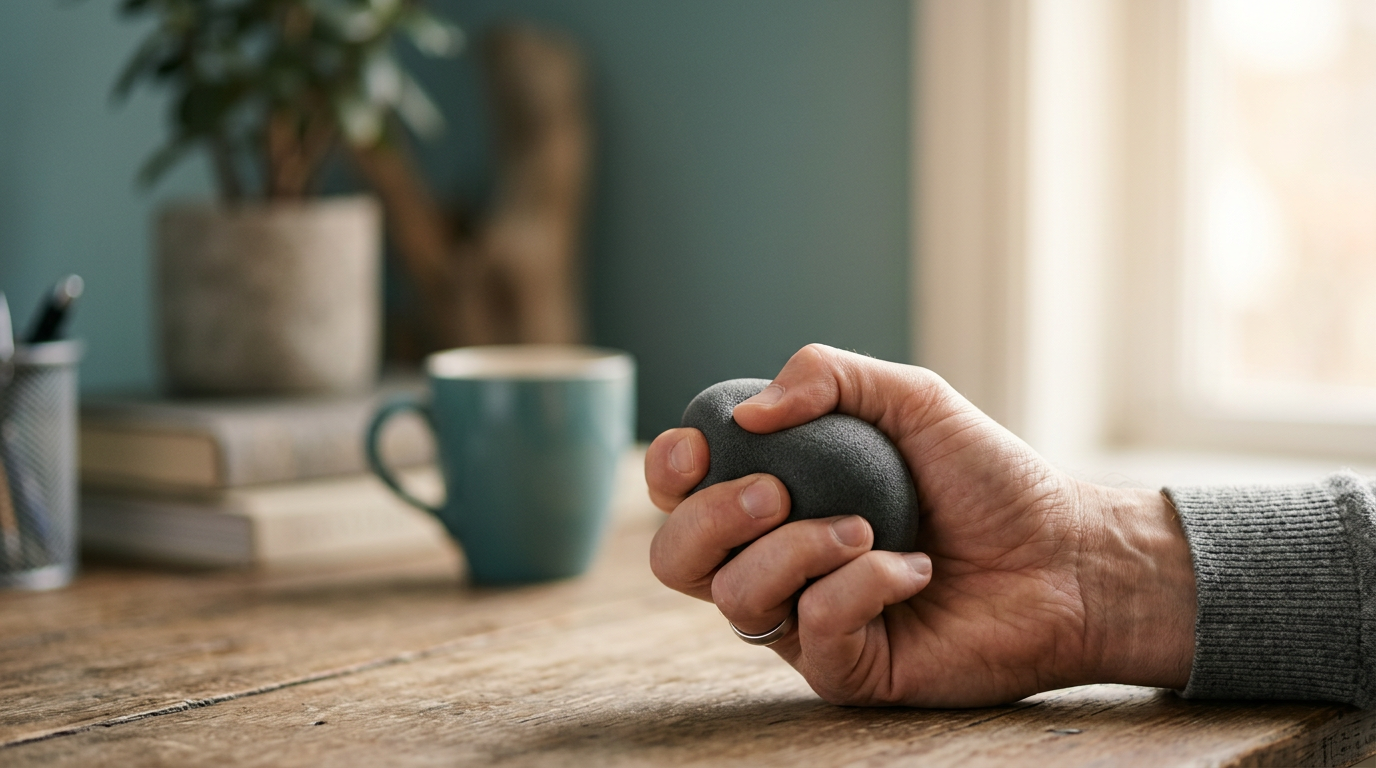

You sit at your desk, trying to ignore the lingering question that’s been on your mind: "Why do my morning erections seem to be less frequent and less firm?" It’s a concern many men face as they age, yet it’s often shrouded in silence and confusion. The fading of morning erections, clinically known as nocturnal penile tumescence, can be a tangible reminder of changes occurring within your body. If you’ve noticed this shift, you’re not alone.
Several factors may be at play here, and understanding them begins with daily life patterns. Consider your routine: late nights scrolling through your phone, a steadily increasing workload that leaves little room for adequate rest, or a sedentary office job that demands hours at a stretch in a chair. These familiar habits can silently contribute to the decrease in morning erections over time. Furthermore, age-related changes, such as declining testosterone levels 1 and reduced REM sleep cycles , make it increasingly challenging to maintain the same physiological responses.
But it’s not just about the passage of time. Lifestyle choices can significantly impact erection quality, and this knowledge is empowering. While some factors like age and genetics are beyond our control, others, such as exercise and stress management, offer avenues for positive change. Recognizing and addressing these aspects of your daily routine could lead to noticeable improvements within months . As you navigate this topic, know that you’re not just addressing an individual concern but taking a step toward better overall health and well-being. This article will unpack these elements, offering insight and practical advice to help you understand what's behind this common experience and what steps you can take moving forward.
Understanding the Physiology of Morning Erections
The parasympathetic nervous system plays a critical role in morning erections by promoting relaxation and increasing blood flow to the penis. This system counteracts the body's sympathetic 'fight or flight' response, which would otherwise restrict blood vessels. As you sleep, the parasympathetic system facilitates increased blood flow during REM sleep, often resulting in nocturnal penile tumescence—more commonly known as morning erections.
Testosterone levels have a direct impact on the frequency and quality of these nocturnal erections. As men age, testosterone levels decline at about 1% per year after the age of 30 1, affecting the hormonal balance necessary for stimulating these involuntary erections. Lower testosterone can lead to reduced frequency and firmness of morning erections, reflecting broader age-related changes in sexual function.
REM sleep is another crucial factor for spontaneous erections. During REM stages, which become less frequent and shorter with age , the brain sends signals to initiate an erection. The decrease in REM sleep cycles as you age results in fewer chances for these erections to occur overnight, contributing to their gradual fading over time.
Blood flow plays a pivotal role in maintaining erection quality, whether during REM cycles or waking hours. Erections occur when blood fills the sponge-like tissue in the penis, causing it to expand and harden. However, lifestyle factors and health conditions like cardiovascular disease can reduce blood flow, impacting erection quality and leading to decreased frequency of morning erections. Improving lifestyle choices can help increase erection quality over time, but consistent changes may show results within a period of 6-12 months .
Understanding these physiological processes shines light on why morning erections fade over time. They are not just a matter of aging, but an intricate interplay between neural, hormonal, and circulatory systems. By addressing aspects like testosterone levels, sleep quality, and vascular health, men may improve their condition progressively.
Age-Related Changes and Their Impact
Testosterone, a vital hormone in male sexual health, naturally declines as men age. Beginning around age 30, testosterone levels drop by approximately 1% each year 1. This decline may contribute to decreased libido and changes in erection quality. Testosterone is crucial for activating receptors in the brain that stimulate erection-related nerves, making its gradual reduction a significant factor in erectile concerns with age.
Another contributor to age-related changes in erections is the decline in REM sleep cycles. REM sleep, known for its restorative properties, decreases as men grow older, which can affect the incidence of spontaneous erections during sleep . These nocturnal erections are mediated by the parasympathetic nervous system and are considered indicators of healthy erectile function. A reduction in REM sleep can thus impact the frequency and quality of these natural erections.
Cardiovascular health also plays a pivotal role in erectile function. As men age, the health of their blood vessels can deteriorate due to factors like atherosclerosis, leading to reduced blood flow to the penis. The penile arteries are narrower than coronary arteries, making them particularly susceptible to changes in circulation. This decline in cardiovascular health can lead to difficulties in achieving and maintaining an erection.
Research shows that age affects nerve sensitivity, which is crucial for erectile function . Nerve signals trigger the complex process of erection, involving blood vessel dilation and increased blood flow to the penile tissues. With age, nerve endings can diminish in sensitivity, impairing this signaling process and contributing to the difficulties many men face as they get older.
These age-related changes highlight the complex interplay between hormonal, neurological, and cardiovascular factors that influence male sexual health. Understanding these elements can empower individuals to explore management strategies, acknowledging that adjustments in lifestyle or health management may still offer improvements . Advancing research, such as the study of gene therapy for erectile dysfunction, continues to explore new avenues . However, maintaining awareness of these fundamental age-related shifts remains crucial for addressing concerns effectively.
Lifestyle Factors Affecting Morning Erections
The frequency of morning erections can be significantly influenced by stress and mental health. Chronic stress elevates cortisol levels, a hormone that can disrupt the balance of other hormones crucial for maintaining erections. When the mind is preoccupied with anxiety, it may also interfere with the nervous system's ability to trigger these physiological responses. For many men, this means fewer spontaneous erections in the morning and diminished overall sexual health.
Nutrition plays an essential role in sexual wellness, and dietary choices may affect erectile function. Diets high in processed foods and low in key nutrients like zinc and omega-3 fatty acids might contribute to reduced erection frequency. A balanced diet supports overall health, leading to better blood flow and nerve function, which are key components for maintaining erections. Healthy eating can also help manage weight, reducing the risk of conditions like diabetes and cardiovascular diseases that can impair erectile function.
The impact of alcohol and smoking on sexual health is well-documented. Both drinking and smoking can constrict blood vessels, hindering blood flow to the penis. Chronic alcohol consumption might lead to reduced testosterone levels, exacerbating issues related to erectile function. Meanwhile, smoking introduces toxins that damage blood vessels, reducing the flexibility and responsiveness necessary for erections. Such lifestyle choices contribute to lower morning erection frequency and, over time, may significantly impact sexual health.
Regular exercise is another critical factor in preserving sexual health and maintaining morning erections. Physical activity improves cardiovascular health, which is closely tied to erectile function. Exercise boosts blood circulation, increases oxygen levels in the blood, and helps reduce stress, contributing to a healthier hormonal balance. Activities such as walking, running, or yoga not only support physical health but also enhance mental well-being, enabling the body to maintain more consistent erectile function. For men seeking to improve or maintain erection quality, incorporating regular exercise into daily life could be a practical and effective strategy.
These lifestyle factors underscore the relevance of a holistic approach to managing sexual health. Although aging naturally brings changes to the body's systems, addressing stress, optimizing nutrition, avoiding harmful substances, and engaging in fitness activities can all support better erectile function over time. Such proactive measures may help in mitigating the natural decline in morning erections that many men experience with age.
Discover Your Pelvic Health
Take our free quiz to assess your pelvic floor strength and learn how to improve it.
Take the free quizIs It Time to Be Concerned?
Men experiencing changes in their morning erection patterns might wonder if and when they should consult a healthcare provider. Indeed, while shifts in erectile function can be a normal part of aging, certain situations warrant professional evaluation. It's especially important to seek medical advice if you notice significant changes or symptoms that extend beyond typical age-related adjustments.
Potential red flags to watch for include a sudden or complete loss of morning erections, or if erections become less frequent not just in the mornings but also during other times of arousal. These changes might signal underlying health issues beyond the natural decline due to aging.
Certain medical conditions, such as diabetes and cardiovascular disease, can impact erectile function by affecting blood flow or nerve signaling. For instance, diabetes can lead to both vascular issues and nerve damage, which might manifest as decreased erectile function. Cardiovascular problems, particularly those affecting arterial health, can similarly reduce blood supply to the penis, impacting the frequency and rigidity of erections. It's essential to rule out these conditions through discussions with a healthcare provider and appropriate testing.
Even though it's common for testosterone levels to decline gradually with age, impacting sexual health 1, a more sudden drop in function might not solely be age-related. Observing these changes over time is vital. If, after an intentional period of monitoring, typically over several weeks to a few months, you notice no improvement or continued deterioration despite positive lifestyle adjustments, consider seeking professional guidance .
Remember that while changes in erection quality can be worrisome, they are part of the body's natural aging process for most men. However, maintaining an open dialogue with your doctor about these changes ensures that any issues are addressed early and effectively. Seeking advice not only offers peace of mind but also provides opportunities to explore treatments or lifestyle adjustments that can support sexual health as you age. Monitoring your health actively empowers you to make informed decisions, ensuring conditions like diabetes or cardiovascular disease are detected and managed promptly.
Realistic Expectations and Improvement Timeline
Lifestyle changes may positively impact erection quality within 6 to 12 months, offering a timeframe for noticeable improvements. A pivotal mechanism in this process is the enhancement of cardiovascular health, achieved through consistent exercise and a balanced diet. Better blood flow is crucial for erections as it ensures adequate oxygen and nutrient supply to the penile tissues. Additionally, weight management can influence hormone levels like testosterone, indirectly benefiting erection quality 1.
As users commit to these health-oriented routines, they might encounter common plateaus, typically around weeks 5 to 7. This is due to the body's initial adaptation to the new stress levels, leading to a temporary stall in visible progress. Overcoming these plateaus can involve increasing the intensity or variety of exercises, revisiting dietary choices, or ensuring proper technique, which re-stimulates neural learning and muscle endurance, breaking through the stagnation.
It's vital to set realistic expectations regarding age-related changes. While many users achieve improvement, age factors such as reduced nerve sensitivity and altered sleep patterns impacting spontaneous erections can moderate outcomes. These physiological shifts mean improvements might not fully replicate youthful function but can enhance overall quality of life and confidence.
Tracking hormone levels, particularly testosterone, can offer insights into progress. Hormonal fluctuations can significantly affect erection quality. Monitoring these levels with a healthcare provider can guide personalized strategies, ensuring that the underlying hormonal health supports other lifestyle changes. Adjustments based on this data can lead to more tailored and effective improvement pathways.
Understanding these timelines and physiological mechanisms helps set a grounded approach, fostering motivation and reducing frustration when immediate results aren't visible. By embracing both immediate and extended outcomes, men can achieve a comprehensive enhancement in their sexual wellness journey.
Research Insights and Future Directions
Recent research into male aging and erectile function offers intriguing insights. A cohort study involving over 1,200 participants aged 30 to 70 investigated the decline in erectile function relative to age. The findings suggest a significant correlation between aging and reduced erectile quality, highlighting the roles of hormonal shifts and cardiovascular health. Specifically, as men age, conditions such as reduced testosterone levels 1, decreased REM sleep , and diminished nerve sensitivity exacerbate erectile challenges.
Emerging therapies offer hope for addressing erectile dysfunction, particularly through novel approaches like gene therapy. One promising study explored the use of gene therapy as a treatment for erectile dysfunction, focusing on enhancing nitric oxide signaling pathways. Nitric oxide plays a crucial role in relaxing blood vessels and promoting blood flow to the penis, a key mechanism behind achieving an erection. The study showed that introducing genes responsible for nitric oxide production directly into penile tissues resulted in improved erectile function in animal models. This approach not only addresses the physiological aspects of erectile dysfunction but also has the potential to provide long-lasting improvements .
Looking forward, the landscape of erectile function research is poised for significant growth. Advances in technology and genetic understanding hint at personalized treatment strategies, tailored to an individual’s unique genetic makeup. Future developments may also focus on enhancing early detection methods of erectile dysfunction-linked physiological changes. As our comprehension of the genetic factors underlying erectile function deepens, personalized interventions, such as customized gene therapies, could become more feasible and widely available.
Additionally, interdisciplinary studies involving endocrinology and cardiovascular research may unveil further insights into the interconnected factors affecting erectile health. Collaborative efforts between these fields can lead to an integrated understanding of how systemic health influences sexual wellness. Such knowledge is crucial as it could provide a basis for more holistic treatment approaches that simultaneously address penile, vascular, and hormonal health.
Ultimately, while traditional treatments continue to provide benefits, the future of managing age-related erectile challenges looks promising. By capitalizing on these cutting-edge therapies and a deeper biological understanding, there is potential for more effective, science-backed interventions that may greatly enhance quality of life.
Conclusion
As we navigate the complexities of male aging and its impact on morning erections, understanding personal changes can be empowering. While age-related factors like a decline in testosterone1 and decreased nerve sensitivity are natural, they don't mean losing control over one's sexual health. Taking small, consistent steps to manage stress and improve lifestyle choices can have significant effects. Remember, changes in mental health and stress levels can greatly influence erection frequency, making mindfulness and relaxation techniques valuable daily habits.
If you're noticing persistent changes in your morning erections and other symptoms such as mood shifts or fatigue, it may be beneficial to consult a healthcare provider. They can help determine if underlying health issues contribute to these changes or if further evaluation is needed. For those committed to improvement, patience is key; lifestyle modifications may take 6-12 months to show results on erection quality.
Integrating pelvic floor exercises into your routine is a practical first step that not only supports core sexual health but also builds confidence over time. The Kegel Men app can be a helpful tool in guiding these exercises, offering structured ways to enhance pelvic floor strength effectively. Moving forward, framing these efforts as a journey towards improved well-being rather than a quick fix can make the process more fulfilling and sustainable.
Frequently Asked Questions
Can morning erections return as you age?
Yes, morning erections can return as you age, but it often requires addressing underlying factors. Lifestyle changes, such as improving diet, exercise, and sleep quality, can enhance erectile function over time . Hormonal shifts, like the gradual decline in testosterone levels, may also play a role in the fading of morning erections 1. By focusing on overall health and possibly consulting a healthcare provider for personalized advice, men might see improvements. While complete restoration isn't guaranteed, incremental gains in morning erections can be a positive sign of improved pelvic health and circulation.
How do lifestyle choices impact erectile health?
Lifestyle choices significantly affect erectile health by influencing blood flow, hormone levels, and overall wellbeing. Factors such as diet, exercise, stress management, and sleep quality play critical roles. Regular physical activity enhances circulation, while a balanced diet supports hormone production, potentially improving erection quality over time . Excessive alcohol and smoking can damage blood vessels, leading to erectile issues. Sleep deprivation affects testosterone levels and REM cycles, critical components of spontaneous erections . Making positive lifestyle changes can be a proactive way to address erectile concerns, though results may take several months to manifest .
When should I see a doctor about my erection changes?
If you notice significant changes in your erection quality, such as a complete loss of morning erections or difficulty achieving erections during sexual activity, it's advisable to consult a physician. This is especially important if these changes are accompanied by other symptoms like fatigue, mood changes, or decreased libido, as they could be related to underlying conditions such as hormonal imbalances or cardiovascular issues 1. Early intervention can identify whether lifestyle changes, medication, or further evaluation is needed. Remember, subtle changes over time can be normal due to aging, but sudden or severe shifts warrant professional evaluation.
Are there medical treatments to improve morning erections?
Yes, several medical treatments may help improve morning erections, though their effectiveness can vary based on individual factors. Phosphodiesterase type 5 inhibitors, such as sildenafil, enhance blood flow to the penis and are commonly prescribed . Hormone replacement therapy might be considered where testosterone levels are notably low 1. Addressing underlying conditions like diabetes or cardiovascular disease also plays a crucial role. While promising, emerging treatments like gene therapy are still under research and not widely available . It's essential to consult with a healthcare provider to determine the most appropriate treatment based on personal health needs.
What role does mental health play in erection quality?
Mental health significantly influences erection quality, as stress, anxiety, and depression can disrupt the complex interplay of neurological and vascular processes required for erections. The mind-body connection means psychological states can alter blood flow and nerve signals, directly impacting erection strength and frequency. Conditions like performance anxiety may particularly affect morning erections due to heightened stress responses. Addressing mental health through therapy, mindfulness, and stress-reduction techniques can therefore play a crucial role in maintaining or improving erection quality, complementing other lifestyle changes like physical activity and nutrition . This holistic approach can provide a supportive foundation for sexual health.
References
- Author, A. A. et al. (2024). Age-related testosterone decline: mechanisms and intervention strategies. Reproductive Biology and Endocrinology, vol(issue), pages. https://doi.org/10.1186/s12958-024-01316-5 [link]
Medical disclaimer: This article is for general educational purposes and is not medical advice. Pelvic floor symptoms, erectile changes, and sexual health concerns can have multiple underlying causes — some of which require evaluation by a clinician. If your symptoms persist, worsen, or are accompanied by pain, bleeding, or sudden change, consult a licensed urologist or pelvic floor physiotherapist before beginning any exercise programme. See our editorial policy for how we research and review content.
Build Your Personal Kegel Plan
Not all pelvic floor training is the same. Take the 2-minute quiz to get a plan tailored to your body and goals.
Take the Free Quiz →