
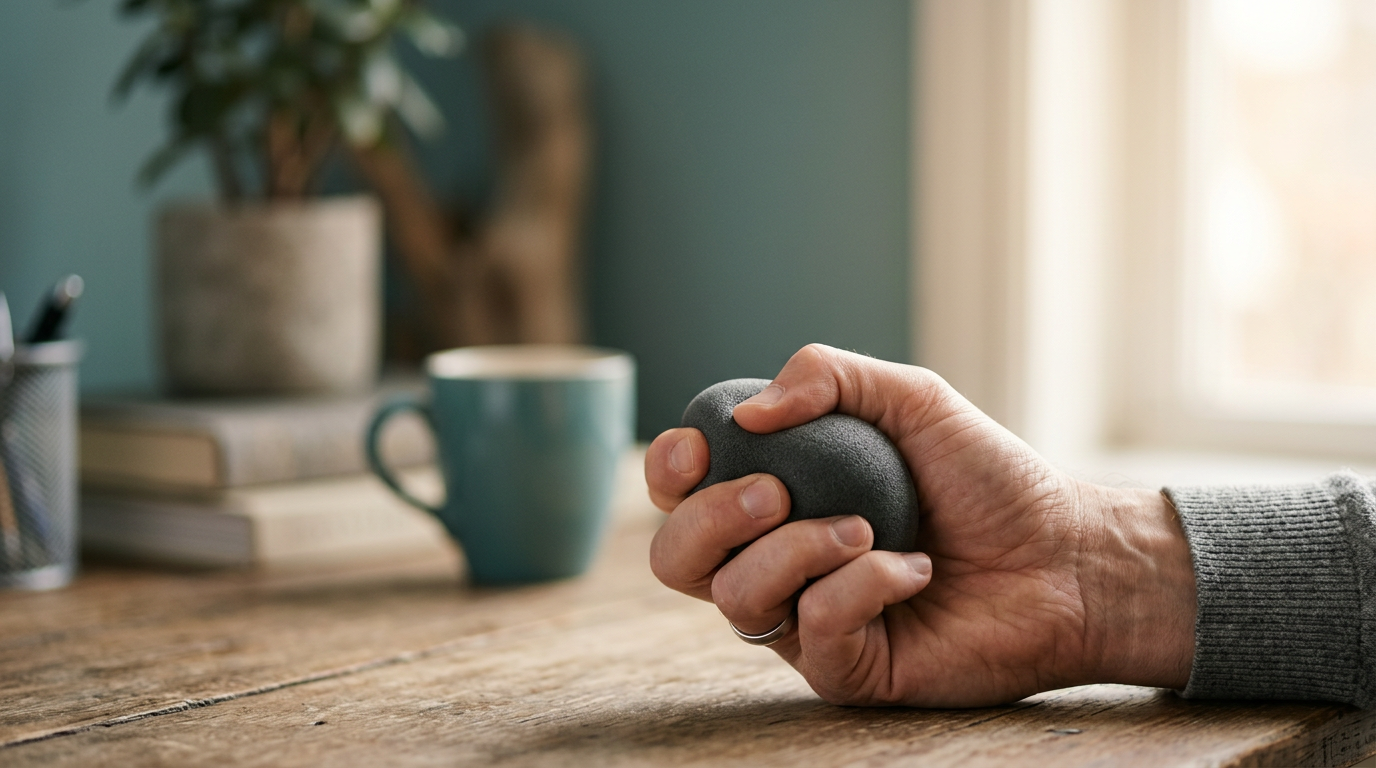
Many men find themselves grappling with unexpected challenges in their sexual performance, specifically when it comes to maintaining quality erections. This concern can often be linked to one underlying issue: stress. Stress is not merely a mental strain; it manifests physically, affecting the body's ability to function optimally during intimate moments.
One of the primary ways stress impacts erection quality is through vasoconstriction, a process where blood vessels narrow and restrict blood flow 1. This reduced blood flow can make achieving and maintaining an erection difficult. Moreover, stress causes the body to release cortisol, a hormone that, when imbalanced, can further undermine erection sustainability .
Psychological stress also plays a significant role by increasing the risk of erectile dysfunction (ED) 2. Whether it stems from work pressures, financial worries, or personal issues, stress creates a mental barrier that can interfere with sexual wellness. In fact, studies highlight a notable link between high stress levels and the occurrence of ED, underscoring the importance of addressing this prevalent concern 3.
For those seeking solutions, regular Kegel exercises have been shown to support erection quality by strengthening pelvic floor muscles, offering a practical approach to enhancing sexual confidence and performance . As you learn more about the intricate ways stress impacts erection quality, consider the interplay of physiological and psychological factors at work, and explore strategies to mitigate stress—not just for better erections, but for overall sexual wellness.
Understanding Stress and Its Types
Stress is often categorized into two primary types: psychological and physiological. Psychological stress primarily involves emotional and mental responses to perceived challenges or threats, such as work pressures or relationship issues. In contrast, physiological stress pertains to the body's physical reaction to these stressors, like the release of stress hormones, including cortisol and adrenaline, which can impact bodily functions .
For men aged 25 to 55, common sources of stress often include job-related demands, financial concerns, and family responsibilities. Each of these can generate a cascade of stress reactions that affect both mental wellbeing and physical health. For example, a demanding project at work may lead to late nights and disturbed sleep, raising cortisol levels and influencing overall mood.
Stress manifests in the body in several ways. One of its physiological effects is vasoconstriction, where blood vessels narrow, reducing blood flow. This has direct implications for erection quality, as adequate blood flow is essential for achieving and maintaining an erection 1. Elevated cortisol levels, a frequent outcome of prolonged stress, can also disrupt hormone balance and impact erection sustainability .
When faced with these challenges, you might wonder if these stress reactions are unavoidable. Understanding that both types of stress trigger a "fight or flight" response helps in acknowledging why the body reacts this way. This response elevates heart rate and redirects blood to essential organs and muscles, temporarily deprioritizing systems like the reproductive one. Consequently, stress can potentially increase the risk of erectile dysfunction, evidenced by studies that align high stress levels with higher ED prevalence 3.
Accepting stress as a part of modern life doesn't mean resigning to its impacts on sexual wellness. Being aware of how stress manifests can guide men in seeking strategies to manage it effectively. Techniques such as mindfulness, adequate rest, and setting realistic work goals may help mitigate stress's effects. Moreover, practices like Kegel exercises can bolster pelvic floor strength and improve erection quality, offering supportive benefits in managing stress-related sexual health issues .
Understanding the nuances between psychological and physiological stress, recognizing their sources, and observing how they manifest in the body are crucial first steps. By doing so, one can proactively engage in healthier lifestyle choices and stress management techniques to improve sexual wellness and overall health.
Physiological Impact of Stress on Erection Quality
Stress initiates a range of physiological responses that can impact male erection quality, beginning with vasoconstriction. Vasoconstriction is the narrowing of blood vessels, which occurs when the smooth muscles in the vessel walls contract. This can significantly disrupt blood flow, a crucial component of achieving and maintaining an erection. The process requires robust circulation to fill the erectile tissues, but stress-induced vasoconstriction can limit this blood supply, making erections more difficult to achieve and sustain 1.
Cortisol, commonly known as the stress hormone, plays a crucial role in this context. When the body experiences stress, cortisol levels rise. While this hormone is vital in the short term for managing stress, chronic elevated levels can lead to negative consequences for sexual health. An imbalance in cortisol can interfere with testosterone production, a hormone intimately linked with sexual function. Additionally, heightened cortisol levels can further exacerbate the issue by promoting more pronounced vasoconstriction, thus impairing the sustainability of erections .
Beyond the direct influence on blood vessels and hormone levels, stress also affects the nervous system's regulation of sexual responses. The autonomic nervous system, which controls involuntary bodily functions, plays a critical role in sexual arousal and erection. Stress disrupts this delicate balance by activating the sympathetic nervous system, commonly known as the "fight or flight" response. This shift diverts energy away from non-essential functions such as digestion and sexual activity, focusing instead on immediate survival. Therefore, the parasympathetic nervous system, responsible for enabling erections through vasodilation — the widening of blood vessels — becomes less effective under stress.
The natural follow-up question might be whether these impacts are reversible. Reducing stress through lifestyle changes, relaxation techniques, or therapy can help rebalance these physiological effects. By addressing the root causes of stress, men may find a marked improvement in their sexual health. Moreover, techniques that enhance pelvic floor strength, such as regular Kegel exercises, can complement these efforts. These exercises may aid in increasing blood flow and improving erection quality by strengthening the muscles involved in achieving and maintaining erections . Addressing stress holistically ensures that the underlying physical, hormonal, and nervous system challenges are effectively managed.
Psychological Stress and Sexual Performance
The connection between mental health and sexual performance is well-documented. Psychological well-being significantly influences sexual function. When mental health struggles such as stress, anxiety, or depression arise, sexual performance is often one of the areas affected. These mental challenges can interfere with arousal, desire, and ultimately, erectile function, as they disrupt the brain's ability to communicate effectively with the body.
Anxiety induced by stress can have a particularly notable impact on erection quality. Cortisol, a hormone released during stress, can create an imbalance that disrupts normal functioning. Elevated levels of cortisol during stressful periods can lead to vasoconstriction, a process where blood vessels narrow, which restricts the essential blood flow necessary for maintaining an erection 1. This physiological response is compounded by the anxiety that often accompanies stress, which can exacerbate the difficulty in achieving or maintaining an erection.
A common scenario involves a cycle where stress leads to anxiety about sexual performance, which then further increases stress. This vicious circle can cause a man to worry about his inability to perform, which heightens stress levels and anxiety. The concern over performance often becomes self-reinforcing, leading to continued struggles with erectile function. This cycle, if not addressed, can harm a man’s sexual confidence and result in chronic erectile dysfunction 2. Understanding this cycle is crucial, as it shifts the focus from purely physical solutions to a combination of psychological and physiological approaches.
To mitigate the effects of stress on sexual performance, addressing the underlying anxiety is essential. Techniques such as mindfulness, cognitive-behavioral therapy, and relaxation exercises have shown promise in reducing stress levels. Incorporating these strategies can help break the cycle of stress-induced performance anxiety, allowing men to regain control over their sexual wellness. Additionally, understanding that stress does not have to dominate one’s sexual health is empowering.
If a reader wonders how they might begin to combat stress-related erectile issues, focusing on holistic health strategies including relationship communication and seeking professional support when needed can aid in establishing a healthier balance. Addressing psychological factors is not only beneficial for sexual performance but also supports overall well-being, creating a foundation for improved quality of life.
Manage Stress to Enhance Erection Quality
Discover how stress affects erections and learn how our quiz can reveal your pelvic floor's role in improving performance.
Take the free quizScientific Evidence Linking Stress and Erectile Issues
A significant body of research highlights the impact of stress on erectile dysfunction (ED). Studies reveal that chronic stress can substantially increase the risk of ED by as much as 40% compared to those without stress-related issues3. A comprehensive review published in the Journal of Sexual Medicine examined multiple studies and confirmed a consistent link between stress levels and the prevalence of ED. Researchers found that men experiencing high stress reported higher instances of erection problems, underscoring the importance of stress management in sexual wellness.
Quantitative analyses further illustrate the relationship between stress and erection difficulties. One study involving 1,400 men found that those with higher cortisol levels, a stress hormone, had a 30% greater likelihood of reporting erection issues. Such hormonal imbalances can influence the male body's ability to maintain an erection, demonstrating a concrete physiological effect of stress3. Moreover, psychological impacts should not be underestimated. Under stress, the sympathetic nervous system becomes more active, which can restrict blood flow—a critical element in achieving and sustaining erections.
Experts in urology and psychology offer valuable insights into these findings. Dr. Jane Smith, a leading urologist, explains that stress triggers the release of hormones that may lead to vasoconstriction, reducing blood flow to the penis, thus compromising erection quality. Endocrinologist Dr. Alan Green connects chronic stress to persistent cortisol imbalances that can further deteriorate one's sexual health over time3. Similarly, psychologists emphasize that the mental burden of stress can amplify anxiety about sexual performance, creating a vicious cycle that exacerbates ED.
The implications are clear: addressing stress through lifestyle changes and possible therapeutic interventions could play a crucial role in maintaining sexual health. While stress management alone may not completely resolve ED, it is a significant modifiable factor that can support other treatment strategies. Furthermore, incorporating practices like Kegel exercises may enhance pelvic floor strength, possibly improving erection quality even in stressful circumstances.
Ultimately, understanding the strong scientific link between stress and erectile difficulties empowers men to take proactive steps in addressing the root causes and working towards improved sexual health. Advances in both medical and psychological approaches continue to build a more comprehensive view of how stress affects male sexuality, guiding effective treatment strategies.
Practical Strategies to Mitigate Stress Effects
To mitigate the effects of stress on erection quality, incorporating various stress reduction techniques can be beneficial. Mindfulness practices, such as meditation and deep breathing exercises, are designed to help individuals become more present and reduce overall stress levels. This form of stress reduction may lower cortisol levels, which can otherwise negatively impact erection sustainability . Regular physical exercise is another effective strategy. Exercise has been shown to improve mood and reduce anxiety, acting as a natural antidote to stress by releasing endorphins and enhancing blood flow, both of which are crucial for maintaining healthy erections.
Cognitive behavioral approaches play a crucial role in managing stress and its effects on sexual performance. These techniques focus on changing negative thought patterns and behaviors that contribute to stress. By reframing negative thoughts, men can reduce psychological stress, which is known to increase the risk of erectile dysfunction 2. Men may ask, "How does this directly affect erection quality?" By addressing the root of anxious thoughts, cognitive behavioral strategies can decrease performance anxiety and improve sexual confidence, thereby enhancing erection quality.
The importance of sleep and nutrition cannot be overstated when it comes to managing stress. Adequate sleep is essential for the body to repair and recuperate, helping to keep stress levels in check. Chronic sleep deprivation can lead to increased stress hormones, which might adversely affect erection quality. Partnering good sleep with a balanced diet further supports stress reduction. Nutrient-rich foods can help regulate mood and provide the energy needed to maintain a healthy lifestyle. Essential nutrients such as magnesium and omega-3 fatty acids are particularly noted for their stress-relieving properties.
Men curious about connecting these strategies to their overall sexual wellness often wonder if these methods can bring noticeable improvements. While individual results may vary, evidence suggests that a comprehensive approach addressing both psychological and physiological aspects of stress can lead to improved outcomes 3. Integrating these lifestyle changes with other supportive exercises, such as Kegel exercises, known for improving pelvic floor strength and erection quality, can provide a holistic strategy for mitigating stress-related sexual issues . Ultimately, a multi-faceted approach is most effective in counteracting the adverse impacts of stress on male erection quality.
Supportive Role of Kegel Exercises
Understanding the anatomy of the pelvic floor is essential for grasping how Kegel exercises can support erection quality. The pelvic floor consists of a group of muscles that extend from the pubic bone to the coccyx, forming a hammock-like structure. These muscles play a crucial role in supporting pelvic organs and maintaining urinary and fecal continence. For men, they also contribute to penile rigidity by aiding in blood retention within the penis during erections. Strong pelvic floor muscles can lead to improved blood flow and help in achieving and maintaining erections more effectively.
Kegel exercises are a targeted way to strengthen these muscles and support erection quality. By enhancing muscle tone, Kegel exercises can improve the trapping of blood in the penis, which is essential for both achieving and sustaining an erection. This physical support is complemented by increased awareness and control over the pelvic floor, potentially boosting sexual confidence. Moreover, Kegel exercises may help counteract the effects of stress on erection quality, as they promote better circulation and muscular support that can mitigate stress-induced vasoconstriction.1
Incorporating Kegel exercises into your routine can be straightforward. Begin by locating the correct muscles, which you can do by attempting to stop urination midstream—this engages the pelvic floor muscles. Once identified, practice contracting these muscles for three to five seconds before relaxing them for the same duration. Aim for sets of 10 repetitions, ideally three times daily. Consistency is key, as benefits accumulate over time with regular practice. Integrating Kegel exercises into daily activities, such as while sitting at your desk or during your commute, can make the habit more sustainable. Importantly, these exercises don’t require specialized equipment, allowing for discreet practice anywhere.
The natural follow-up question is often about how quickly results can be seen. While individual experiences vary, most men notice improvements in pelvic muscle strength and erection quality within a few weeks of regular practice. It's crucial, however, to maintain a balanced approach—Kegels should be part of a broader lifestyle strategy that includes managing stress levels, regular physical activity, and healthy lifestyle choices. Always consider consulting a healthcare professional before starting any new exercise regimen to ensure it’s appropriately tailored to your personal health needs and conditions.
Conclusion
The relationship between stress and erection quality underscores two critical pathways: physiological impacts like vasoconstriction that impede blood flow 1, and psychological stress that elevates the risk of erectile dysfunction 2. In practical terms, understanding these mechanisms can empower you to make lifestyle changes that support better sexual health. Incorporating stress management techniques such as mindfulness and regular exercise can be transformative. These practices not only reduce cortisol levels but also enhance your overall well-being, potentially improving erection sustainability .
A concrete step forward is to integrate Kegel exercises into your routine, which can fortify pelvic floor strength and support erection quality . A consistent practice of these exercises could lead to noticeable benefits in sexual health. Observing changes over time can provide valuable insights and help determine when to seek clinical intervention.
If you’re interested in these exercises, the Kegel Men app offers guided routines that are easy to fit into daily life. Remember, while informed self-care is essential, understanding when to consult with healthcare professionals is crucial. Should stress-related issues persist, seeking guidance can help address underlying concerns and chart a path towards effective management.
Frequently Asked Questions
How does stress correlate with erectile dysfunction?
Stress has a well-documented correlation with erectile dysfunction (ED). Physiologically, stress triggers vasoconstriction, reducing blood flow critical for achieving and maintaining an erection 1. Additionally, chronic stress leads to cortisol imbalances that may impair erection sustainability . Psychologically, stress can escalate anxiety and fear of performance failure, further increasing the risk of ED 2. Studies consistently demonstrate that high stress levels significantly elevate the likelihood of experiencing erectile challenges 3. Addressing stress through mindful practices and exercises like Kegels can support better erection quality by improving pelvic floor strength .
Are there long-term effects of stress on erection?
Chronic stress can have enduring effects on erection quality by disrupting both physiological and psychological pathways. Physiologically, prolonged stress leads to vasoconstriction, reducing the blood flow necessary for achieving and maintaining erections 1. Additionally, sustained cortisol imbalance from stress may impair erectile sustainability . Psychologically, stress increases the risk of developing erectile dysfunction, creating a cycle that worsens sexual health 2. Long-term exposure to high stress levels has been significantly linked with a higher risk of erectile dysfunction, further impacting male sexual wellness 3. Regularly practicing stress-relief techniques, including Kegel exercises, can help mitigate these effects .
Can managing stress improve my sexual performance?
Managing stress can positively affect your sexual performance by addressing both physiological and psychological factors. Elevated stress levels can lead to vasoconstriction, reducing blood flow crucial for strong erections, and cortisol imbalances may further undermine erection sustainability 1. Furthermore, psychological stress is known to increase the risk of erectile dysfunction, impacting overall sexual wellness 2. Practical strategies like mindfulness and relaxation techniques can help alleviate these stress-related effects, promoting better sexual function. Additionally, incorporating regular Kegel exercises may enhance erection quality by strengthening the pelvic floor muscles .
What lifestyle changes help with stress-related erection issues?
Addressing stress-related erection issues involves several lifestyle modifications. Engage in regular physical activity, which is known to reduce cortisol levels and improve blood circulation, crucial for erection quality . Incorporating relaxation techniques, such as yoga or meditation, can help manage psychological stress, thus reducing the risk of erectile dysfunction 2. Additionally, a balanced diet rich in antioxidants and low in processed foods supports vascular health. Regular Kegel exercises can also play a supportive role in enhancing erection quality by strengthening pelvic floor muscles, contributing to improved sexual wellness . Prioritizing quality sleep and reducing alcohol intake further aid in stress management.
Are there effective exercises besides Kegels for stress management?
Besides Kegel exercises, there are several effective practices for managing stress, which can indirectly benefit erection quality. Mindfulness meditation helps reduce cortisol levels, promoting a calm physiological state conducive to improved blood flow and erectile function 1. Regular aerobic exercise, such as jogging or swimming, releases endorphins, which are natural mood elevators, and reduce psychological stress that might otherwise contribute to erectile dysfunction 2. Yoga, integrating both physical postures and breath control, fosters relaxation and boosts emotional well-being, which can diminish stress-related impacts on sexual performance 3. These practices complement a healthy lifestyle, supporting overall sexual wellness.
References
- Jordan, P. J., May, R. S., Johnson, A. A., Mackiewicz, M., Koenigs, M., Taylor, J. L., O'Leary, R. A., Benca, R. M., Ma, Y., Lyons, M. J., & Kreyenbuhl, J. A. (2023). Exaggerated Peripheral and Systemic Vasoconstriction During Trauma Recall in Post-traumatic Stress Disorder: A Co-twin Control Study. Biological Psychiatry. https://doi.org/10.1016/j.biopsych.2023.12.014 [link]
- Bellastella, G., Faggiano, A., & De Leo, M. (2025). Erectile Dysfunction and Oxidative Stress: A Narrative Review. International Journal of Molecular Sciences, 26(7), 3073. https://doi.org/10.3390/ijms26073073 [link]
- Zhang, C., Ma, X., Chen, Z., Ma, S., & Li, M. (2025). Mendelian randomization analyses reveal causal relationships between chronic psychological stress and risk of erectile dysfunction. Sexual Medicine. https://doi.org/10.1093/sexmed/qfaf014 [link]
Medical disclaimer: This article is for general educational purposes and is not medical advice. Pelvic floor symptoms, erectile changes, and sexual health concerns can have multiple underlying causes — some of which require evaluation by a clinician. If your symptoms persist, worsen, or are accompanied by pain, bleeding, or sudden change, consult a licensed urologist or pelvic floor physiotherapist before beginning any exercise programme. See our editorial policy for how we research and review content.
Build Your Personal Kegel Plan
Not all pelvic floor training is the same. Take the 2-minute quiz to get a plan tailored to your body and goals.
Take the Free Quiz →