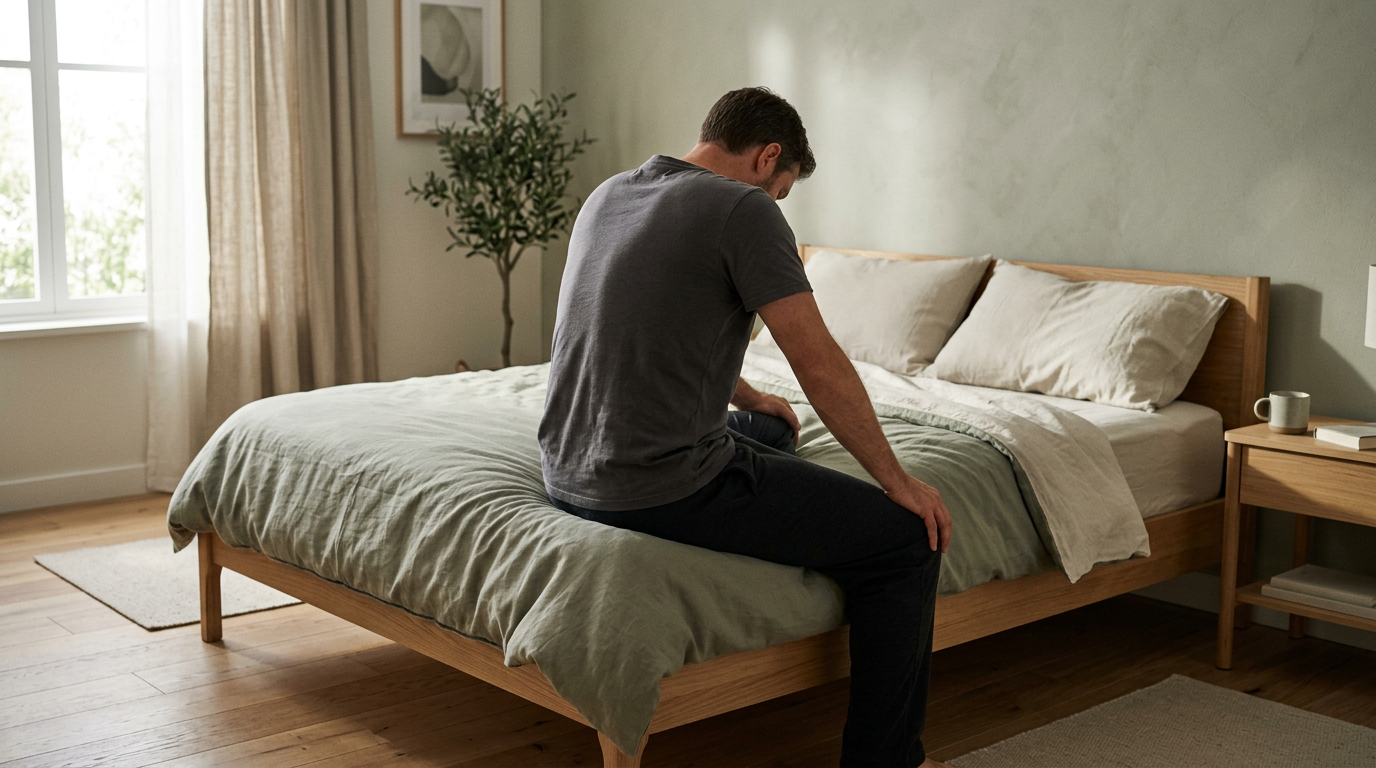
Sexual performance anxiety is a common issue affecting many men, particularly those between the ages of 25 and 55. This anxiety can lead to a cycle of stress and self-doubt, which can negatively impact sexual confidence and overall satisfaction. Effective management strategies can help reduce performance anxiety and improve relationships. These methods include mindfulness techniques, understanding psychological factors, and exploring relaxation exercises. By adopting these practices, men can enhance their sexual confidence and performance. Recognizing the importance of mental and emotional wellbeing is crucial in addressing these challenges effectively. This article will delve into practical techniques to manage sexual performance anxiety, focusing on evidence-based approaches that promote sustained improvement over time.
Understanding Performance Anxiety
Performance anxiety occurs when the mind focuses intensely on the fear of not being able to perform sexually, which can trigger physiological responses like increased heart rate and tension. These physical symptoms can further exacerbate the feeling of anxiety, creating a negative feedback loop 1. Studies suggest that a significant portion of men experience this anxiety at some point in their lives, especially during new or stressful situations. For example, a study found that over 30% of men under 40 experience performance-related anxiety, which can impact their psychological and physical health .
The Role of Mindfulness in Reducing Anxiety
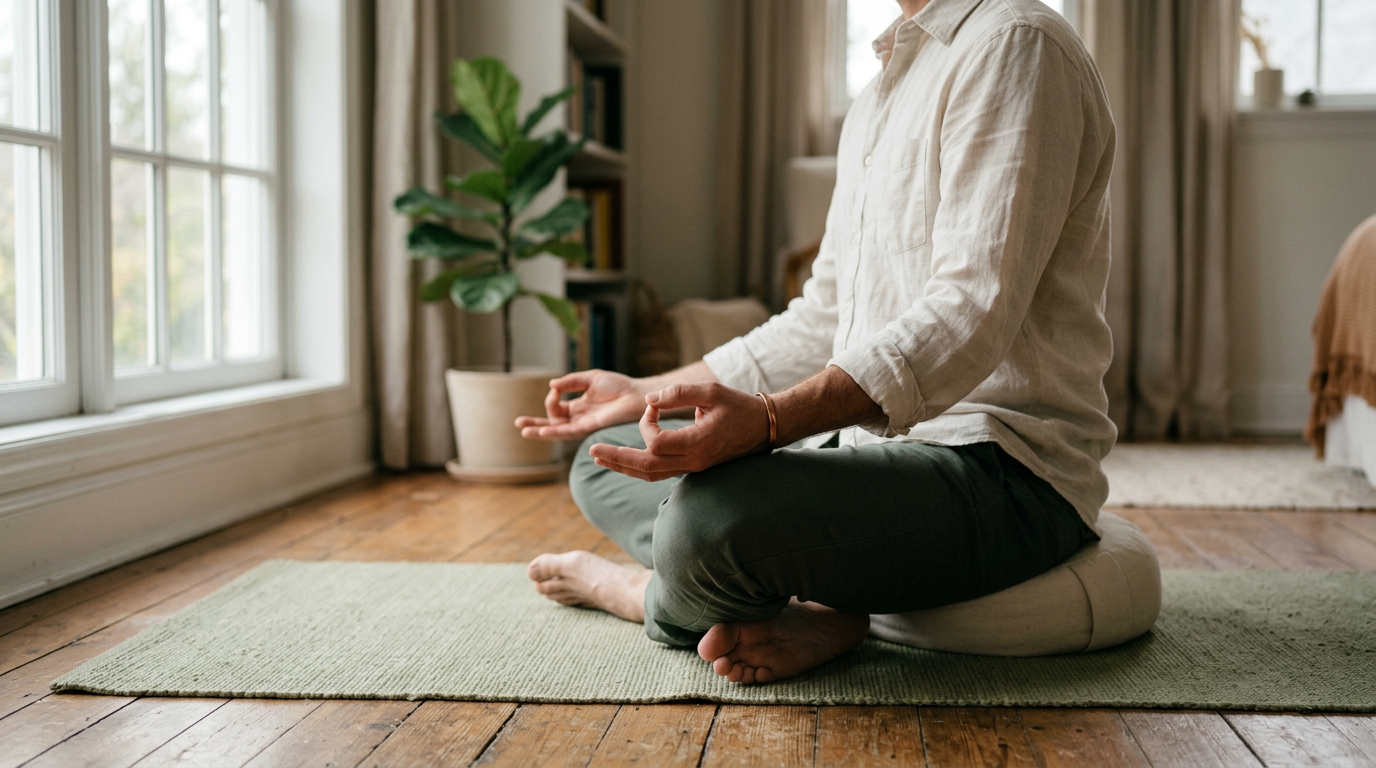
Mindfulness strategies involve staying present and focused on the moment without judgment. Practicing mindfulness can help interrupt the cycle of anxiety by shifting focus away from performance concerns to awareness of sensations and experiences. According to research, men who regularly practice mindfulness report lower levels of performance anxiety and greater sexual satisfaction . Incorporating practices like mindful meditation or breathing exercises can create a sense of calm and help prevent anxiety from spiraling out of control.
Reduce Performance Anxiety with a Personalized Baseline
Take the free quiz to see how your pelvic floor's condition may impact your anxiety levels and sexual confidence.
Take the free quizPsychological Factors Affecting Confidence
Psychological factors, such as low self-esteem, negative past experiences, and societal pressures, play a critical role in performance anxiety. These factors can create unrealistic expectations and intensify feelings of inadequacy. Cognitive-behavioral therapy (CBT) is one approach that can address these underlying issues, allowing individuals to reframe negative thoughts and develop healthier patterns of thinking. In one study, participants undergoing CBT showed significant improvement in their self-confidence and reduction in anxiety symptoms .
Relaxation Techniques for Improved Performance
Relaxation techniques such as progressive muscle relaxation (PMR) and deep breathing can help men become more aware of their body's sensations and release accumulated tension. These techniques can be particularly effective when practiced regularly, contributing to improved emotional regulation and stress reduction. Research indicates that men who engage in regular relaxation exercises report enhanced sexual confidence and overall wellbeing . For example, incorporating just 10 minutes of deep breathing exercises daily can lead to noticeable changes within a few weeks.
Building Long-term Sexual Confidence
Long-term improvement in sexual confidence requires ongoing practice and commitment to a mental and physical wellness routine. This includes continued mindfulness, relaxation practices, and addressing psychological factors through therapy or self-reflection. Integrating these strategies can result in sustained performance improvements and greater satisfaction in intimate relationships. Studies emphasize the importance of a holistic approach, where the combination of mental exercises and physical relaxation contributes to lasting change 1. Men in their 30s may notice quicker changes, while older individuals might experience gradual improvements over a few months. Setting realistic expectations and recognizing individual progress is key to success.
Conclusion
Managing anxiety around sexual performance involves a multifaceted approach that addresses both psychological and physical components. The integration of mindfulness, therapy, and relaxation exercises offers a comprehensive strategy for reducing anxiety and building confidence. Practicing these methods over time can lead to improved intimate relationships and personal satisfaction. It's important for men to recognize that change takes time, often requiring 2-4 weeks for initial results, and continued efforts for long-term success. Embracing these strategies not only enhances sexual performance but also contributes to overall mental and emotional wellbeing.
Reduce Performance Anxiety with a Personalized Baseline
Take the free quiz to see how your pelvic floor's condition may impact your anxiety levels and sexual confidence.
Take the free quizFrequently Asked Questions
What are common signs of sexual performance anxiety?
Common signs of sexual performance anxiety include increased heart rate, sweating, tension, and negative thoughts focusing on perceived inadequacies. Men may also experience difficulty maintaining an erection or reaching orgasm, which can further exacerbate anxiety levels. Recognizing these signs early can help in addressing them proactively.
How does mindfulness help with performance anxiety?
Mindfulness helps by refocusing attention on the present moment, reducing the emphasis on performance pressure. By practicing mindfulness, men can develop a non-judgmental awareness of their thoughts and feelings, leading to decreased anxiety. This approach can improve not only sexual performance but also overall mental health, aiding in stress management and emotional regulation.
Can therapy improve sexual performance anxiety?
Therapy, especially cognitive-behavioral therapy (CBT), is effective in addressing the core issues of performance anxiety. CBT helps individuals identify and modify negative thought patterns, providing them with tools to handle stress and improve self-esteem. Many men find therapy beneficial for long-term management and improvement in sexual confidence.
What relaxation techniques are effective for anxiety?
Effective relaxation techniques include deep breathing, progressive muscle relaxation, and guided imagery. These methods help reduce tension and improve emotional control. Regular practice of these techniques can lead to better stress management, contributing to increased confidence and improved sexual performance.
How long does it take to see improvements?
Improvements in managing sexual performance anxiety typically begin within 2-4 weeks of consistent practice of techniques like mindfulness and relaxation exercises. Full benefits and sustained confidence often develop over several months, depending on individual commitment and the presence of any underlying psychological factors that may need addressing.
References
- Author, A. A. (2024). Hormonal and psychological influences on performance anxiety in adolescent female volleyball players: a multi-approach study. PeerJ, 12, e16617. https://doi.org/10.7717/peerj.16617 [link]
Medical disclaimer: This article is for informational purposes only and is not a substitute for professional medical advice, diagnosis, or treatment. Always seek the advice of your physician or other qualified health provider with any questions you may have regarding a medical condition.
Reviewed by Ezgi Bayram, Pelvic Floor Therapist
Build Your Personal Kegel Plan
Not all pelvic floor training is the same. Take the 2-minute quiz to get a plan tailored to your body and goals.
Take the Free Quiz →