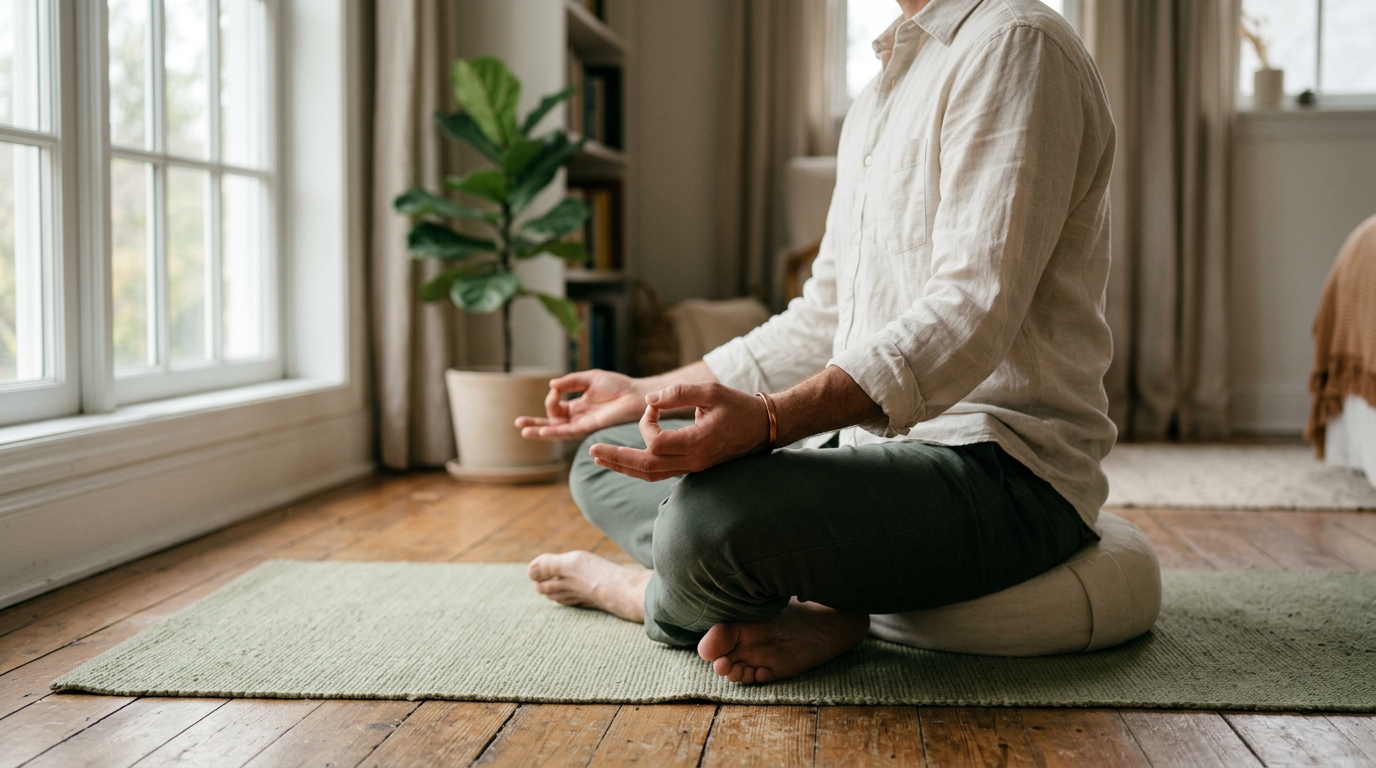
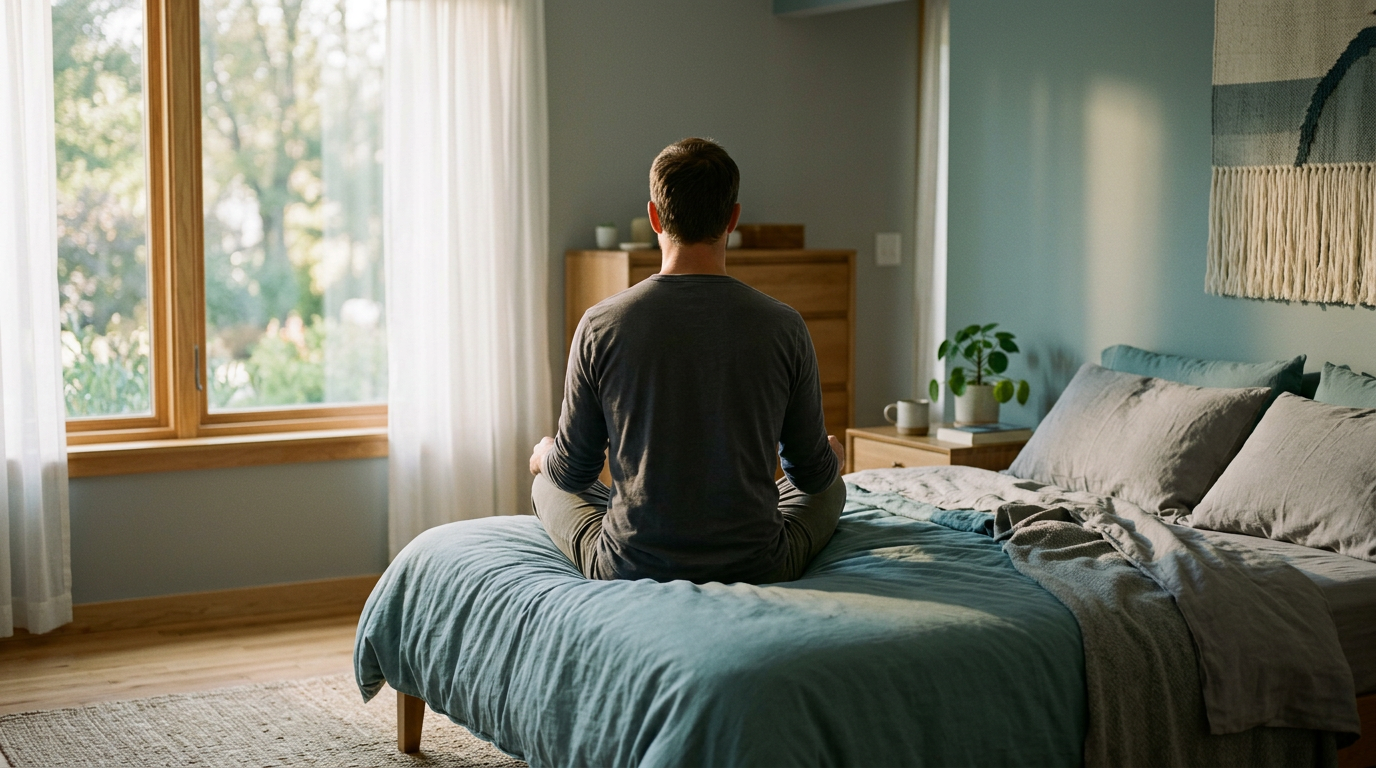
If you've ever experienced challenges with sexual stamina, you're not alone. Many men find themselves grappling with the concern that mental health could be undermining their endurance. Anxiety, especially, can play a significant role, leading to decreased stamina and performance anxiety that aggravates the problem further . But how exactly does your mental well-being influence your sexual performance? Understanding this connection opens doors to strategies that may help improve both your mental state and your stamina.
For instance, mindfulness practices have been shown to improve mental resilience 1. Engaging in these techniques can help you stay present during intimate moments, potentially enhancing your experience and control. Moreover, lifestyle choices like regular exercise significantly boost mental health, thereby contributing positively to your performance in the bedroom as well 2. Physical activity releases endorphins and reduces stress, paving the way for better stamina.
Furthermore, adequate sleep is critical for maintaining endurance since it allows your body and mind to recover effectively 4. By paying attention to these elements, you’re addressing the root psychological factors that might be affecting your sexual stamina. This proactive approach can lead to improved control, confidence, and overall satisfaction.
These insights underline the importance of a holistic approach to sexual health, where mental, emotional, and physical well-being are interconnected. A focus on mental health not only has the potential to enhance stamina but also elevates your sexual confidence and overall quality of life.
Understanding Sexual Stamina and Mental Health
Sexual stamina refers to the duration for which an individual can engage in sexual activity before reaching orgasm. For many men, it is a vital aspect of sexual performance, often correlating with confidence and relationship satisfaction. A robust sexual stamina is not merely about physical endurance; it embodies a harmonious balance of mental and emotional stability.
Mental health significantly affects sexual stamina. Anxiety, one of the most prevalent mental health challenges, can severely diminish endurance by heightening self-awareness and performance fears during sexual activity . When a man is anxious, his body releases cortisol, a stress hormone that can constrict blood vessels, making it more challenging to maintain an erection and further impacting stamina. This directly ties mental well-being to physical performance.
Additionally, depression can lower libido and energy levels, reducing the drive and ability to engage in prolonged sexual activity. It's crucial to understand that mental health is not a separate entity from physical health, but rather an integrative factor that continually interacts with bodily functions.
Various psychological factors influence sexual performance. Stress, for instance, is a significant contributor. High stress levels can lead to muscle tension and increased heart rate, which may negatively affect sexual endurance. Moreover, self-esteem plays a role; men with higher self-esteem are often more confident in their sexual performance, which can enhance stamina by reducing performance anxiety.
Understanding these psychological factors can help in identifying underlying issues that may be impacting stamina. Cognitive behavioral therapy, for example, offers strategies to reframe negative thoughts, which can improve sexual confidence and endurance 3. In summary, fostering a healthy mental state is as crucial as any physical training for enhancing sexual stamina. By prioritizing mental health, men can take a holistic approach to enhance their sexual well-being and endurance.
Psychological Barriers to Sexual Endurance
Anxiety is a significant factor in reducing sexual stamina. When anxious thoughts intrude, the body's fight-or-flight response is activated, releasing stress hormones like cortisol and adrenaline. These chemicals can lead to increased heart rate and blood pressure, negatively impacting sexual performance by diverting blood flow away from essential organs, such as the penis, to vital areas needed for survival, like muscles and the brain. This physiological response does not support sustained sexual activity, leading to a premature end to encounters or even erectile dysfunction in some cases .
Stress compounds these effects by exacerbating the physiological reactions that anxiety triggers. Chronic stress maintains elevated cortisol levels, which can lead to fatigue and decreased libido over time. It impairs the body’s production of testosterone, a crucial hormone for sexual desire and performance, further eroding stamina. Stress also detracts from the pleasure and intimacy of sexual experiences, often triggering a cycle where performance concerns lead to more anxiety and stress. This cycle can be difficult to break without intervention, such as mindfulness techniques or therapy to manage stress and anxiety .
Low self-esteem and negative body image significantly impact sexual confidence, another crucial element for endurance. Men who perceive themselves negatively may avoid sexual encounters or experience profound anxiety during them. This preoccupation with appearance or performance can detract from the moment, leading to a lack of focus and connection. Critically, self-confidence influences one's ability to maintain an erection and fully engage in intimacy, as practiced mindfulness requires a level of personal acceptance and focus on the present moment. Building confidence in one’s body and abilities can therefore be a transformative step in improving sexual stamina.
The logical question here is how to address these barriers effectively. Techniques like cognitive behavioral therapy have shown promise in reducing performance anxiety by reshaping negative thought patterns and building healthier mental frameworks 3. Additionally, stress-reduction practices, such as regular exercise and proper sleep, can improve overall mental health, thus supporting enhanced sexual performance 24. Through targeted efforts to address psychological barriers, men can foster better endurance and more fulfilling sexual experiences.
Mindfulness Techniques to Boost Endurance
Mindfulness, a mental practice rooted in focusing on the present moment, has gained attention for its potential to enhance sexual stamina. At its core, mindfulness encourages individuals to become aware of their thoughts, sensations, and emotions without judgment. This heightened awareness can directly impact sexual performance by helping men manage anxiety and maintain focus during intimate moments.1
A guided mindfulness exercise specifically aimed at improving sexual endurance involves practicing deep breathing and progressive muscle relaxation. Begin by finding a quiet, comfortable space. Close your eyes and take a slow, deep breath in through your nose, counting to four. Hold the breath for a moment, and then exhale slowly through your mouth, counting to six. As you continue to breathe deeply, focus on each part of your body, starting from your toes and progressing upward to your head. Notice any tension and consciously relax each muscle group. By doing this regularly, you can train your body to relax more efficiently during sex, potentially extending your stamina.
The practice of mindfulness can bolster mental resilience, an important factor in sexual performance. Regular mindfulness practice is shown to enhance emotional stability, enabling men to navigate stress more effectively and reduce instances of performance anxiety. This mental fortitude is key as it translates to increased control over one's physiological responses, such as arousal and ejaculation control.1 Consistent mindfulness exercises can lead to long-term benefits, aiding in building a robust mental framework that supports both sexual and overall well-being.
You might wonder how often one should practice mindfulness to see these benefits. Evidence suggests that even a few minutes per day can yield significant improvements in mind-body connection, boosting both mental and physical performance over time. Just like physical exercise, the consistency of the practice matters more than the session's length.
Ultimately, mindfulness is not just about improving stamina but fostering a connection with oneself. This self-awareness creates a more meaningful and satisfying sexual experience. As men become more attuned to their body’s responses, they can enjoy a more fulfilling intimate life.
Improve Your Mental Resilience for Better Stamina
Discover how your mental health impacts sexual stamina and get insights on enhancing control and endurance.
Take the free quizTherapeutic Approaches for Enhancing Stamina
Cognitive behavioral therapy (CBT) is a well-regarded method for tackling performance anxiety that often affects sexual stamina. CBT works by identifying negative thought patterns that can heighten anxiety, thereby negatively impacting performance. By reframing these thoughts, individuals can reduce anxiety levels, which may lead to improved sexual endurance and overall confidence 3. This process involves skills training, such as cognitive restructuring and relaxation techniques, enabling men to approach intimate situations with a calmer mindset.
Sex therapy also plays a crucial role in addressing psychological concerns that hamper sexual stamina. Unlike CBT, sex therapy specifically focuses on sexual issues, helping individuals and couples explore the emotional and relational aspects of their sexual experiences. Through guided discussions and exercises, sex therapists help clients confront deep-seated fears and misconceptions that might contribute to decreased performance, thereby fostering a healthier sexual outlook.
For those seeking guidance, a range of support and counseling resources is available. Many mental health professionals offer these services, focusing specifically on sexual wellness. Platforms for online therapy or telehealth services have become more popular, providing convenient access to expert help. Support groups also serve as an invaluable resource, offering a community of individuals experiencing similar challenges. These groups provide a space for sharing strategies and success stories, which can be especially encouraging.
These therapeutic approaches are designed to address both immediate concerns and longer-term psychological patterns that affect sexual performance. It's logical to wonder what impact this might have on one's overall well-being. Addressing the psychological factors through therapy not only improves stamina but also enhances general mental health, which is often interlinked with physical performance. As stress levels decrease and self-esteem grows, individuals frequently witness benefits extending beyond just the bedroom.
People looking to make a positive change should consider reaching out to a qualified therapist experienced in sexual health concerns. Understanding the root psychological causes is often the first step in making meaningful progress, turning obstacles into opportunities for growth and exploration. These therapeutic interventions not only contribute to improved sexual stamina but also bolster interpersonal relationships, creating a more fulfilling and balanced life.
The Interplay of Lifestyle Factors and Mental Health
Physical activity plays a vital role in enhancing both mental well-being and sexual stamina. Regular exercise boosts endorphin levels, providing mood enhancement and reducing stress levels. These benefits contribute directly to improved mental health, which correlates with better sexual performance 2. Studies suggest that men who engage in consistent physical activity experience fewer instances of anxiety and depression, factors known to impact sexual stamina adversely. By incorporating exercise into daily routines, men can harness these mental health benefits to support their sexual endurance naturally.
Diet and nutrition also significantly affect mental health and sexual performance. A diet rich in omega-3 fatty acids, antioxidants, and essential vitamins can promote brain health, which in turn supports better mental functioning. For example, consuming foods like leafy greens, nuts, and fatty fish provides crucial nutrients that enhance neurotransmitter production, stabilizing mood and reducing anxiety. This nutritional approach can help in maintaining a robust mental landscape, setting the foundation for enhanced sexual stamina.
Furthermore, sleep is an essential component of both mental health maintenance and physical endurance. Research highlights that adequate sleep facilitates the repair and regeneration of body tissues, while also balancing hormones responsible for mood and energy levels. A lack of sleep can lead to an increase in cortisol, a stress hormone, which may decrease testosterone levels and subsequently reduce sexual stamina 4. Prioritizing sleep can therefore play a pivotal role in sustaining mental resilience and physical performance during sexual activities.
Naturally, readers might wonder how to effectively integrate these practices into their lifestyle. Start with manageable routines: thirty minutes of moderate exercise a few times each week, along with a diet incorporated with nutritious whole foods, can be a good baseline. Equally, aiming for seven to nine hours of restorative sleep each night can foster the needed physical recovery and mental clarity. These adjustments are not just about preventing issues but also about enhancing overall quality of life by nurturing mental and physical health together. Such lifestyle interventions can significantly bolster sexual stamina, offering a more holistic approach to improving sexual wellness.
Building Long-term Sexual Resilience
To build long-term sexual resilience, maintaining positive mental health is essential. Strategies such as engaging in regular exercise and practicing mindfulness can uplift your mental well-being and are pivotal in this respect. Regular physical activity not only boosts endorphin levels, enhancing mood, but also promotes better circulation, which is beneficial for sexual stamina. Meanwhile, mindfulness practices help improve mental resilience, giving men the tools to manage stress and anxiety effectively 1. This mental fortitude is crucial, as anxiety is known to significantly reduce sexual stamina .
Addressing psychological factors yields long-term benefits, going beyond immediate performance improvement. By tackling issues like anxiety and stress, you enhance overall life satisfaction, leading to improved relationship dynamics and greater sexual confidence. Cognitive behavioral therapy (CBT) stands out as an effective method to alleviate performance anxiety and instill a more positive outlook on sexual experiences 3. Such psychological interventions foster a healthier mindset, ultimately contributing to consistent and reliable sexual endurance.
Creating a sustainable plan for sexual health and endurance involves a multilayered approach. Integrating mental health strategies with lifestyle modifications can lead to greater success. Consider establishing a routine that includes adequate sleep, balanced nutrition, and stress management techniques. Adequate sleep is not just a pillar of good health, but also a critical factor in maintaining both mental resilience and sexual stamina 4. Furthermore, staying mentally engaged and connected with your partner can enhance intimacy and strengthen the emotional bond, adding depth to the sexual experience.
Wondering how to start implementing these changes? Begin with small, manageable adjustments. Prioritize setting consistent sleep patterns and introduce exercises that promote both physical and mental wellness, like yoga or tai chi. As you become comfortable, incorporate more comprehensive mindfulness techniques, such as meditation or deep-breathing exercises, which can further support endurance development. Over time, these practices can transform short-term gains into a robust foundation of long-term sexual resilience. By focusing on these strategies, you empower yourself to enjoy a fulfilling and enduring sexual life.
Conclusion
In navigating the intersection of mental health and sexual stamina, it's crucial to recognize the impact of anxiety on performance. Anxiety doesn't just cloud judgment; it directly diminishes endurance, making it a significant barrier to sexual satisfaction . Incorporating mindfulness techniques can offer practical solutions. These practices foster mental resilience, enabling you to remain present and grounded during intimate moments 1. Moreover, lifestyle choices such as regular physical activity and sufficient sleep are pivotal. Exercise enhances overall mental well-being, contributing positively to sexual stamina 2, while adequate rest is a cornerstone of maintaining endurance 4.
Considering these insights, a concrete next step is to integrate mindful meditation or gentle exercise into your routine. These small but deliberate changes can gradually build both mental and physical strength. If anxiety persists as a hurdle, consulting a therapist skilled in cognitive behavioral therapy can be an advantageous step toward alleviating performance-related concerns 3. As you embark on this journey to bolster your sexual health, exploring tools such as the Kegel Men app can complement your efforts by providing structured guidance tailored to enhancing pelvic floor and mental strength. Remember, meaningful change is gradual and deliberate, so begin with a single step.
Frequently Asked Questions
How can mindfulness improve sexual stamina?
Mindfulness can enhance sexual stamina by helping individuals remain present and focused during intimate moments, reducing distracting thoughts that lead to premature ejaculation or erection loss. This practice fosters greater awareness of bodily sensations, allowing men to gain control over their responses and prolong intercourse. Evidence suggests that mindfulness improves mental resilience, providing a calmer state of mind and alleviating performance anxiety that often hampers stamina1. By integrating mindfulness techniques into daily routines, men can potentially experience increased endurance, enhancing both their sexual performance and overall confidence in intimate settings.
What role does anxiety play in sexual endurance?
Anxiety plays a significant role in reducing sexual stamina, often leading to issues such as premature ejaculation or erectile difficulties. When a man is anxious, the body's stress response can interfere with the physiological processes necessary for sustained sexual performance, like maintaining an erection . This anxiety can create a cycle where fear of performance failure leads to further anxiety, exacerbating the stamina issue. Addressing anxiety through methods such as cognitive behavioral therapy can help alleviate these performance concerns, thereby potentially improving endurance 3. Developing mental resilience through mindfulness practices may also support better sexual stamina by reducing the impact of stress 1.
Are there effective therapies for performance anxiety?
Yes, there are effective therapies for performance anxiety. Cognitive Behavioral Therapy (CBT) is a widely recognized method that can help by addressing negative patterns of thought and behavior, allowing individuals to develop healthier coping strategies in sexual situations 3. CBT focuses on uncovering the root causes of anxiety, helping patients to challenge unrealistic fears and expectations. Another approach involves mindfulness techniques, which improve mental resilience by promoting awareness and acceptance of the present moment. These strategies can lead to enhanced sexual endurance and confidence, reducing the impact of performance anxiety over time 1.
How does diet affect mental well-being and stamina?
Diet plays a crucial role in mental well-being and stamina by influencing neurotransmitter function and energy levels. Consuming a balanced diet rich in omega-3 fatty acids, vitamins, and minerals supports brain health, which positively impacts mood and cognitive function. This can, in turn, enhance sexual stamina by reducing anxiety and improving mental clarity. Foods like fatty fish, nuts, and leafy greens are particularly beneficial. Furthermore, maintaining stable blood sugar levels through regular meals can prevent mood swings and fatigue, both of which are detrimental to mental focus and endurance during sexual activity. A mindful dietary approach supports overall stamina and mental wellness.
Can lifestyle changes improve sexual performance?
Lifestyle changes can significantly enhance sexual performance by addressing both physical and mental aspects. Regular exercise boosts mental well-being, contributing to improved stamina and resilience2. Additionally, adequate sleep is crucial for maintaining sexual endurance, as sleep deprivation negatively impacts overall health and performance4. Mindfulness practices, which enhance mental resilience, can also support better endurance during sexual activity1. These changes create a holistic approach that reduces psychological barriers like anxiety, fostering a confident and robust sexual experience. Integrating these adjustments into daily routines helps in achieving long-term benefits for sexual health and performance.
References
- Hu, F., Sun, H., Chen, S., & Li, R. (2025). Mindfulness techniques for athletic excellence: the mediating role of mental resilience and moderating effect of emotional intelligence. Frontiers in Psychology, 15, 1556619. https://doi.org/10.3389/fpsyg.2025.1556619 [link]
- Chatchaiyong, P., Supasri, T., Theerarun, C., Thammavichai, P., & Supasri, R. (2024). Exercise, mental well-being and burnout in Thai medical students in 2020–2021: an online cross-sectional survey. BMC Medical Education, 24(1), 868. https://doi.org/10.1186/s12909-024-05843-y [link]
- Loh, B. K., & Lee, M. H. (2025). Recent developments in coping strategies focusing on music performance anxiety: a systematic review. Frontiers in Psychology, 15, 1507229. https://doi.org/10.3389/fpsyg.2025.1507229 [link]
- Kostiukevych, V., Shchepotina, N., Ovchynnikov, A., Tserkovna, O., & Cherniavska, T. (2026). Physical endurance and adaptation to extreme conditions of combatants. Scientific Journal of National Pedagogical Dragomanov University. Series 15. Scientific and pedagogical problems of physical culture (physical culture and sports), 1(200), 46–50. https://doi.org/10.31392/udu-nc.series15.2026.01(200).46 [link]
Medical disclaimer: This article is for general educational purposes and is not medical advice. Pelvic floor symptoms, erectile changes, and sexual health concerns can have multiple underlying causes — some of which require evaluation by a clinician. If your symptoms persist, worsen, or are accompanied by pain, bleeding, or sudden change, consult a licensed urologist or pelvic floor physiotherapist before beginning any exercise programme. See our editorial policy for how we research and review content.
Build Your Personal Kegel Plan
Not all pelvic floor training is the same. Take the 2-minute quiz to get a plan tailored to your body and goals.
Take the Free Quiz →