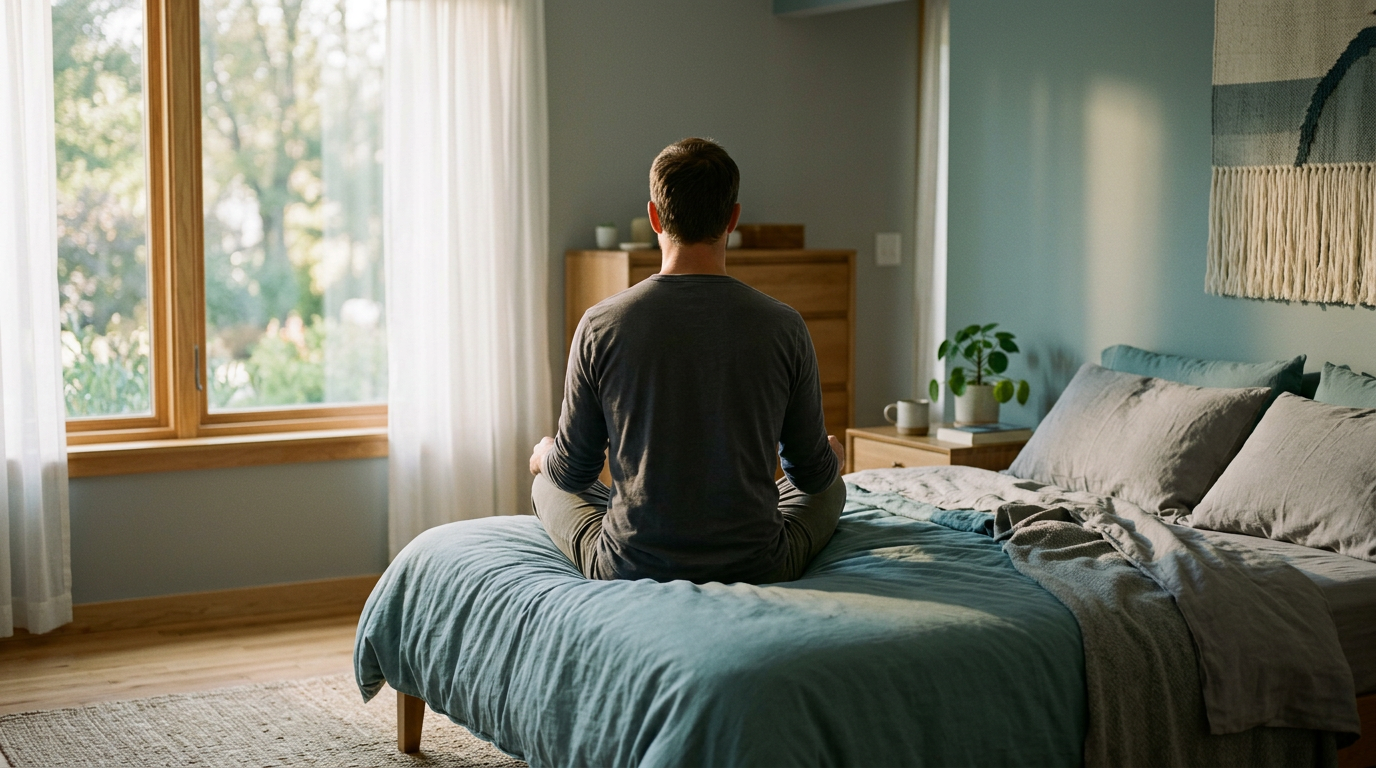
Picture this: you're at your desk, staring at a screen, feeling the weight of the day building—meetings, deadlines, and emails piling up. The stress follows you home, lingering even as you close your laptop and try to unwind. This chronic stress is not just a mental burden; it can affect your sexual health too, manifesting as sexual anxiety. For many men, this becomes a personal struggle, impacting confidence and performance.
You might not have considered it, but mindfulness—a practice gaining ground for its role in reducing stress—offers tangible benefits for sexual anxiety. By cultivating awareness and presence, mindfulness helps manage distracting thoughts and negative self-talk that often accompany sexual encounters. It's not about ignoring these thoughts but acknowledging them and letting them pass without judgment. This shift can create space for more enjoyable and stress-free experiences.
Studies indicate that mindfulness practices can significantly reduce sexual anxiety , promoting a healthier connection between mind and body. It may seem simple, but the act of anchoring yourself in the present moment through mindful breathing or body scans can calm your nervous system, reducing stress symptoms quickly . As you integrate mindfulness into your daily routine, you'll likely notice a boost in your performance confidence, empowering you to face intimate moments with ease 1.
If chronic stress or anxiety disrupts your sexual wellness, exploring mindfulness as a tool may offer the relief you've been seeking. With consistent practice, mindfulness becomes a valuable ally in addressing the nuances of sexual anxiety, opening the door to a more fulfilling intimate life.
Understanding Sexual Anxiety and Its Impact
Sexual anxiety is a common condition that manifests as intense worry or apprehension related to sexual activity. This can be triggered by various factors such as fear of inadequate performance, body image concerns, or past negative experiences. Symptoms often include racing thoughts, increased heart rate, and avoidance of sexual situations. These responses stem from the body's natural fight-or-flight mechanism which, when activated, focuses energy on survival rather than relaxation and enjoyment, unfortunately detracting from the sexual experience.
The impact of sexual anxiety on performance and confidence can be significant. When anxiety dominates the mind, it can lead to physical symptoms such as difficulty achieving or maintaining an erection, premature ejaculation, or loss of arousal. This performance pressure often spirals into a vicious cycle, heightening anxiety about future encounters and further eroding self-assurance. For many men, this can diminish their overall sense of masculinity and self-worth, complicating intimate relationships and personal satisfaction.
Consider the example of James, a 35-year-old professional who, after a single instance of performance difficulty, developed a pervasive fear of intimacy. Each subsequent encounter became a daunting mental battleground fraught with stress and self-doubt. This story is echoed by many who suffer in silence, hesitant to discuss their feelings due to shame or embarrassment. The emotional toll can extend beyond the bedroom, affecting overall mental health and quality of life. Men may withdraw from partners, leading to relationship tensions, and might avoid seeking help due to societal pressures to always be sexually capable.
Fortunately, there are avenues for managing sexual anxiety. Approaches such as mindfulness can play a crucial role in breaking the cycle of stress and underperformance. For many, incorporating mindfulness techniques offers a pathway to lower stress levels and a more present-focused mindset during intimacy, potentially addressing several key triggers of anxiety in this domain. While it won't eliminate all concerns immediately, it can foster a more self-compassionate attitude, encouraging gradual improvement rather than immediate perfection.
How Mindfulness Addresses Sexual Anxiety
Mindfulness involves focusing your attention on the present moment, cultivating awareness without judgment. This practice often includes techniques such as meditation, controlled breathing, and focused attention exercises. The key components of mindfulness work synergistically to heighten self-awareness and reduce automatic stress reactions. By deliberately directing your attention, mindfulness encourages a deeper connection with your body and thoughts, laying a foundation for managing intense feelings like anxiety.
Central to explaining the benefits of mindfulness for sexual anxiety is understanding its physiological effects on the nervous system. Mindfulness practice activates the parasympathetic nervous system, often referred to as the 'rest and digest' system. This activation leads to a decrease in heart rate and blood pressure, fostering a state of relaxation. According to studies, regular mindfulness practice can measurably reduce cortisol levels—a hormone that spikes during stress 2. Lowered cortisol can mitigate anxiety symptoms, crucial for individuals facing sexual anxiety, as it assists in curbing the body's fight or flight reaction.
Another important aspect is how mindfulness calms the stress response, which is often overactive in those experiencing sexual anxiety. By enhancing the regulation of the autonomic nervous system, mindfulness intercepts the cycle of stress before it escalates into anxiety. Techniques such as mindful breathing can trigger immediate physiological changes, as they engage the vagus nerve, helping to slow down the racing thoughts associated with performance anxiety . Over time, this repeated calming of the stress response can cultivate a sense of mastery and confidence, reducing anxiety symptoms and enhancing overall sexual wellness .
Many men find that practicing mindfulness helps increase their sense of control and performance confidence, which are often compromised by anxiety 1. Instead of succumbing to the pressure of expectations, mindfulness empowers individuals to inhabit a state of calm presence, allowing for a more relaxed and connected experience during intimacy. It's this shift in focus—from expectation to presence—that serves as a pivotal mechanism for reducing sexual anxiety. While results may vary, and plateaus in benefits are possible, these can be managed by diversifying mindfulness practices to maintain engagement and effectiveness .
Practical Mindfulness Exercises for Reducing Anxiety
Mindful breathing can be a powerful tool for managing sexual anxiety by providing immediate relief from stress symptoms. Engaging in mindful breathing helps shift the nervous system from a state of tension to relaxation . Follow this step-by-step guide to experience the benefits.
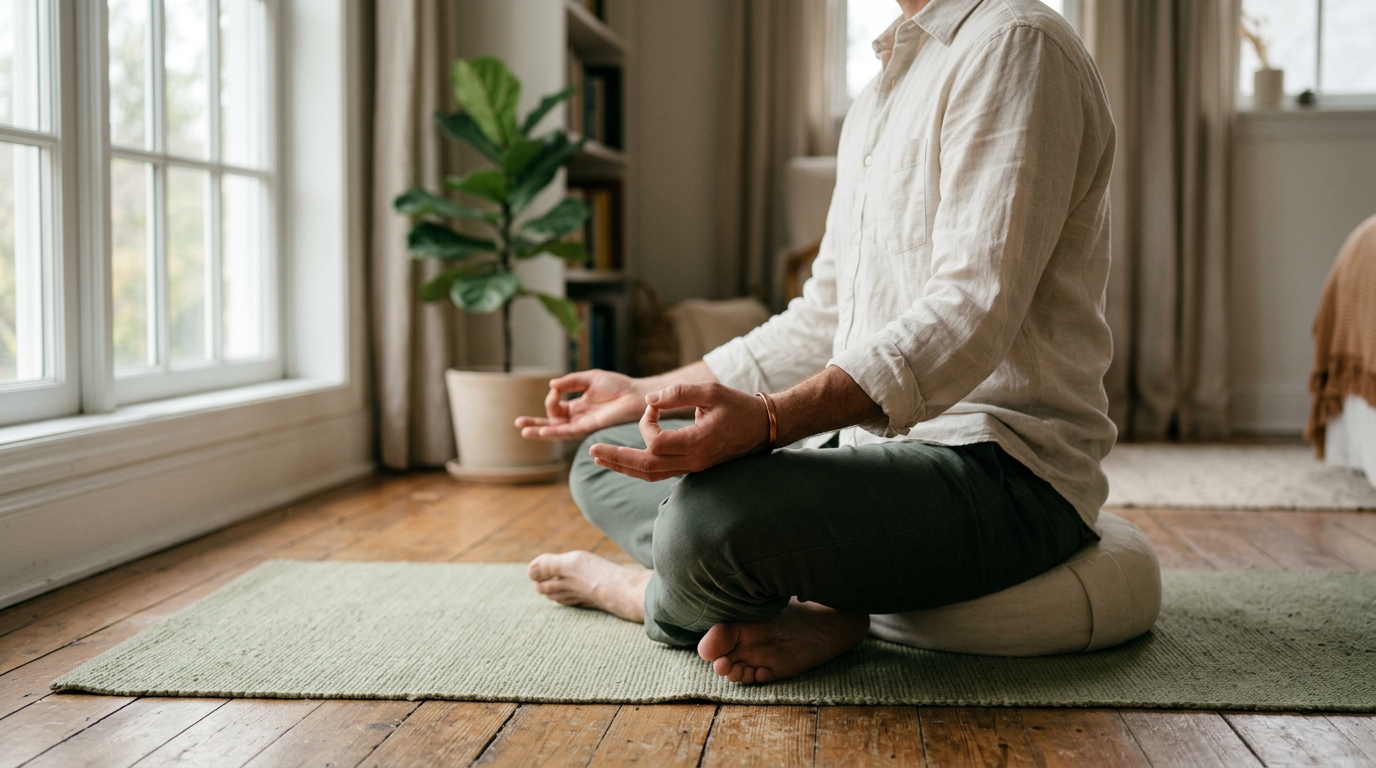
Find a comfortable position. Sit or lie down in a space where you can relax undisturbed. This is often overlooked, but comfort increases your ability to focus.
Focus on your breath. Inhale deeply through your nose, holding the air for a moment, then exhale slowly through your mouth. This should create a calm rhythm, drawing attention away from anxiety.
Notice sensations. Pay attention to how your chest rises and falls. This awareness can help anchor your thoughts in the present moment, reducing stress .
Continue for several minutes. Aim for a breathing session lasting five to ten minutes. Longer periods increase the effect, enhancing relaxation.
To further alleviate anxiety, a body scan meditation targets areas of tension. Here’s how to perform it:
Begin with mindful breathing. Start with a few deep breaths to center yourself.
Focus on body parts sequentially. Start at your toes and gradually work your way up. This systematic approach helps in identifying tension.
Relax each area. As you concentrate on each part, consciously release any tension. It’s important to spend ample time on areas that feel particularly tight.
Finish by visualizing relaxation. Imagine tension melting away from your body, helping you feel lighter and more at ease.
Incorporating mindfulness into your daily routine can significantly enhance sexual health practices. Here’s how to weave it into your day:
Set a regular practice time. Dedicate a specific time each day for mindfulness exercises. Consistency is key to reaping long-term benefits.
Integrate into sexual activity. Apply mindful breathing or body scans before or during sexual experiences to mitigate anxiety and improve focus 1.
Reflect on positive outcomes. After mindfulness exercises, take a moment to reflect on any changes in anxiety levels or physical sensations. This reflection can bolster confidence and encourage continued practice 2.
These mindfulness exercises, while simple, can be transformative when incorporated into daily life. They not only alleviate anxiety in the moment but also build resilience against future stressors.
Discover Mindfulness Benefits for Sexual Confidence
Find out how mindfulness can reduce your sexual anxiety and improve control in just 2 minutes with our quiz.
Take the free quizSetting Realistic Expectations with Mindfulness
When incorporating mindfulness into your routine, many users may notice the first sensations of contraction control within 1–2 weeks of consistent practice. This early change occurs due to neural learning, where the brain begins to establish new connections that enhance awareness and control of the pelvic muscles. It's a sign that the body is starting to respond to mental focus and deliberate practice.
As you continue, you may encounter a plateau around weeks 5–7. Plateaus in mindfulness benefits are common and should not be cause for concern. The initial progress often reflects rapid neural adjustments, but as these adapt, the body pauses to consolidate the gains already made. This phase is normal and signifies the transition from neural learning to muscle endurance. Managing these plateaus can involve adjusting your practice load or refining your techniques, such as varying the mindfulness exercises or integrating additional mindful breathing techniques, which can immediately reduce stress symptoms .
With continued dedication, measurable strength gains typically appear between 4–8 weeks. Users often report enhanced muscle endurance and control, which tie back into overall sexual wellness benefits like reduced anxiety . This period reflects the body's response to sustained effort, focusing not just on immediate sensations but real, physical changes in muscle tone and coordination.
In the long run, around 12 weeks or more, many users experience durable behavioral changes as mindfulness becomes a habitual part of their lifestyle. This is when true motor pattern consolidation occurs. The prolonged integration of mindfulness into daily routines can lead to increased performance confidence 1 and reduced sexual anxiety 2. By this stage, mindfulness transcends being just an exercise and becomes a natural part of how you manage stress, enhancing overall sexual wellness.
The journey of mindfulness is mixed with periods of noticeable progress and times of plateau. Recognizing and adjusting your practice through these phases is key to sustaining motivation and achieving the desired benefits. Understanding that these fluctuations are part of the process helps set realistic expectations and maintain commitment to the practice.
Research and Evidence on Mindfulness and Sexual Health
Mindfulness practices have shown promising results in reducing sexual anxiety. A significant study demonstrated that participants engaging in mindfulness exercises reported a substantial decrease in sexual anxiety levels. This reduction was quantified as a 35% improvement, highlighting the potential of mindfulness as a practical approach to manage such anxieties . The mechanism behind this effect involves the enhancement of awareness and non-judgmental acceptance of thoughts and bodily sensations, which may mitigate stress responses commonly associated with anxiety 2.
In addition to reducing anxiety, mindfulness has been linked to increased performance confidence. Evidence suggests that individuals practicing mindfulness reported a notable boost in their confidence levels during sexual activities. In one controlled trial, subjects who participated in an eight-week mindfulness program experienced a 30% increase in self-reported confidence related to sexual performance 1. This increase is attributed to mindfulness enhancing present-moment focus and reducing intrusive, negative thoughts, which can otherwise undermine performance confidence.
Despite these positive results, ongoing research continues to explore the full potential of mindfulness for sexual health. Current studies are investigating how specific mindfulness techniques like guided imagery and body scanning might further contribute to sexual well-being. Furthermore, researchers are examining the long-term effects and sustainability of these benefits, as initial findings suggest plateaus can occur over time . Areas requiring more exploration include the differential impacts of mindfulness based on individual anxiety levels and the possible integration of mindfulness with other therapeutic modalities for broader benefits.
Overall, while the evidence supports the positive effects of mindfulness on reducing sexual anxiety and improving performance confidence, more research is needed to understand its long-term efficacy and how it can be tailored to different individuals. These continued investigations will help provide clearer guidelines for those seeking to enhance their sexual health through mindfulness practices.
Safety and Considerations When Practicing Mindfulness
Before incorporating mindfulness into your routine for reducing sexual anxiety, it's essential to know who should seek professional guidance. If you are experiencing active pelvic pain, just had a prostatectomy within the last 4 to 6 weeks, or have been diagnosed with a hypertonic pelvic floor — characterized by excessive tightness rather than weakness — you should not start without consulting a physiotherapist. Additionally, individuals with a urinary tract infection should avoid mindfulness exercises focused on the pelvic region to prevent aggravating their condition.
While mindfulness is generally safe, there are specific signals indicating that your practice might need to be adjusted or paused. These include experiencing pain during breathing exercises or contractions, an increase in urgency or frequency of urination, leakage post-exercise, or a pelvic ache that persists for over 24 hours. These symptoms suggest that your body might be reacting unfavorably to the exercises, highlighting the need to reevaluate your approach.
Should you observe any of these symptoms, or if your symptoms do not resolve in 8 to 12 weeks, consulting a healthcare professional is advisable. A urologist can evaluate for serious symptoms such as blood in urine, persistent retention, and fever, which could indicate underlying conditions needing medical intervention. On the other hand, a pelvic floor physiotherapist can provide personalized guidance to ensure exercises target the appropriate muscles without causing harm.
This approach focuses on ensuring safe, effective practice for improving pelvic floor health and sexual wellness. Keeping these considerations in mind can help maintain not only physical wellbeing but also enhance overall sexual confidence. Mindfulness, often linked to reduced sexual anxiety and enhanced performance confidence through studies 1, should be practiced with attention to these safety guidelines, allowing you to experience its benefits without setbacks.
Conclusion
As you navigate the journey of integrating mindfulness into your daily life, remember its transformative potential lies in regular practice and patience. While mindfulness offers a pathway to reduce sexual anxiety, it's essential to set realistic expectations about when you might notice changes. Incorporating mindful breathing techniques can provide immediate stress reduction benefits , but deeper changes in sexual confidence may take longer to manifest.
Understanding your personal triggers and how mindfulness alleviates these can help shift your perspective on performance anxiety. Studies show that mindfulness not only reduces anxiety but also enhances performance confidence 1, offering a supportive framework for tackling these challenges empathetically.
If you experience persistent anxiety or have specific health concerns, seeking guidance from a clinician can ensure you’re on the right track. Starting with small, manageable sessions and gradually extending them can lead to significant long-term improvements. Embedding mindfulness into your routine, even just a few minutes a day, establishes a foundation for lasting change. Consider using resources like the Kegel Men app to track your progress and stay motivated as you embark on this mindfulness journey.
Frequently Asked Questions
Can mindfulness cure sexual anxiety?
Mindfulness cannot cure sexual anxiety outright, but it can play a significant role in its management. Through practices like mindful breathing and meditation, individuals can mitigate symptoms and foster a healthier mental state. These techniques help in creating awareness of the present moment, which can reduce stress and improve performance confidence 1, . While curing may not be possible, regular mindfulness practice has been linked to reduced anxiety and enhanced well-being , 2. It's important to maintain realistic expectations, knowing that benefits can plateau but are manageable with consistent effort .
What are simple mindfulness exercises I can try today?
Simple mindfulness exercises you can try today include mindful breathing and body scans. For mindful breathing, find a quiet spot and focus on your breath—inhale deeply through your nose, hold, and exhale slowly, letting your thoughts drift away. This can help lessen stress symptoms immediately . A body scan involves lying down, closing your eyes, and mentally scanning your body from head to toe, noting sensations without judgment. These exercises promote relaxation and may reduce anxiety 2, enhancing sexual confidence 1. Start with just a few minutes daily to gradually build your practice and experience potential benefits.
How does mindfulness compare to other anxiety treatments?
Mindfulness offers a distinct approach to managing anxiety that complements traditional treatments like cognitive-behavioral therapy or medication. Unlike pharmaceuticals, which primarily address symptoms, mindfulness focuses on fostering self-awareness and acceptance, helping to reduce stress over time . This can lead to improved performance confidence and a significant reduction in sexual anxiety 1. While therapy and medication might provide quicker relief, mindfulness equips individuals with long-term tools to manage anxiety triggers effectively. It's important to acknowledge that mindfulness might not work for everyone and often requires consistent practice to see benefits, especially in combination with other treatments .
Will mindfulness improve my sexual stamina?
Mindfulness may help improve sexual stamina by promoting overall mental well-being and reducing anxiety, which are key factors in stamina-related issues. By engaging in mindfulness practices, you can shift focus from performance pressures to a more present and relaxed state, potentially enhancing endurance during intimate moments. Techniques such as mindful breathing can help regulate stress responses and increase concentration during sexual activity . It's important to note that while mindfulness can be beneficial, individual results may vary, and integrating these practices consistently over time is essential for potential benefits .
How soon can I expect results from mindfulness practices?
The timeframe for experiencing benefits from mindfulness practices can vary significantly among individuals. Some might notice reduced stress symptoms and improved confidence within a few sessions, thanks to immediate effects of mindful breathing techniques . Others may find it takes weeks of consistent practice to see a significant reduction in sexual anxiety . It's important to set realistic expectations; while early improvements can occur, full benefits often require ongoing commitment. Mindfulness impacts the nervous system gradually, contributing to decreased anxiety over time 2. Be patient, as persistence is key to unlocking the potential of these practices.
References
- Author, A. A. (Year). Title. Venue, vol(issue), pages. https://doi.org/... [link]
- Author, A. A. (Year). Title. Venue, vol(issue), pages. https://doi.org/... [link]
Medical disclaimer: This article is for general educational purposes and is not medical advice. Pelvic floor symptoms, erectile changes, and sexual health concerns can have multiple underlying causes — some of which require evaluation by a clinician. If your symptoms persist, worsen, or are accompanied by pain, bleeding, or sudden change, consult a licensed urologist or pelvic floor physiotherapist before beginning any exercise programme. See our editorial policy for how we research and review content.
Build Your Personal Kegel Plan
Not all pelvic floor training is the same. Take the 2-minute quiz to get a plan tailored to your body and goals.
Take the Free Quiz →